
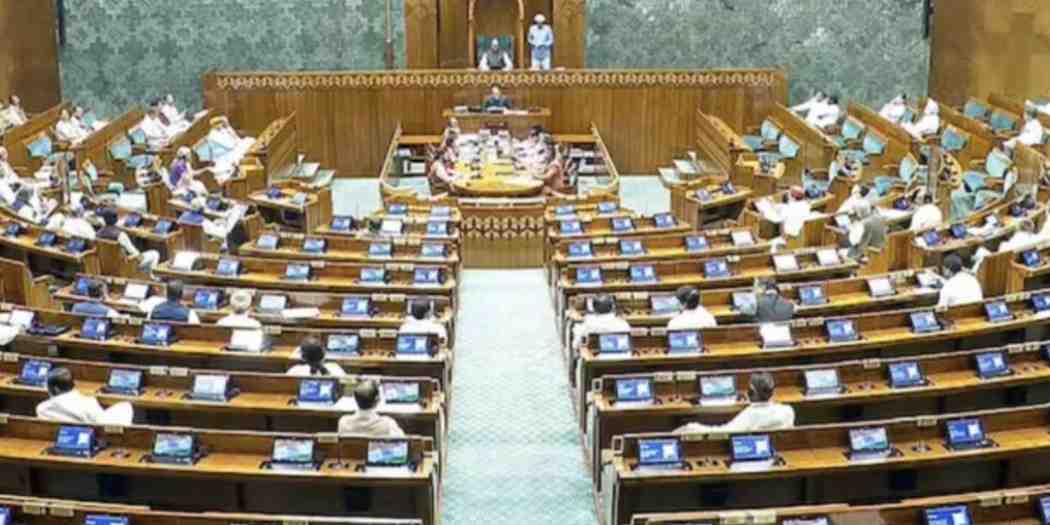
The three key bills Parliament debate has triggered a sharp political confrontation, with the Congress party voicing strong objections during the ongoing parliamentary session. The discussion revolves around a set of significant legislative proposals that have far-reaching implications for governance and representation.
The developments unfolded in both Houses as opposition members questioned the intent, structure, and timing of the proposed laws.
Key Highlights
- Congress raises objections to three major bills
- Heated exchanges witnessed in Parliament
- Debate focuses on policy impact and implementation
- Government defends legislative agenda
What Are the Three Bills?
The three key bills Parliament debate centres around legislative proposals linked to electoral reforms, governance changes, and administrative restructuring. While the government has presented them as necessary updates, the opposition has raised concerns about their broader implications.
These bills are seen as significant due to their potential to influence future political and administrative frameworks in the country.
Congress Raises Concerns
Leaders from the Congress party have strongly criticised aspects of the proposed legislation. During the three key bills Parliament debate, they questioned whether adequate consultation had taken place before introducing the measures.
Congress members argued that certain provisions could affect democratic processes and representation. They also raised concerns about the timing of the bills, suggesting that more discussion was needed.
Government’s Response
The government defended its position, stating that the three key bills Parliament debate reflects its commitment to reform and efficiency. Officials maintained that the proposals are aimed at strengthening governance and modernising existing frameworks.
Ministers also emphasised that the bills have been introduced following due process and are open to discussion within Parliament.
Heated Exchanges in Parliament
The three key bills Parliament debate saw intense exchanges between treasury benches and opposition members. Several interruptions and adjournments were reported as both sides presented their arguments.
Such confrontations are not uncommon during discussions involving major policy changes, particularly when political stakes are high.
Broader Political Context
The debate comes at a time when political tensions are already elevated ahead of upcoming elections. The three key bills Parliament debate has added another dimension to the ongoing contest between the government and opposition.
Analysts believe that disagreements over legislative priorities often reflect deeper political strategies and ideological differences.
Why These Bills Matter
The outcome of the three key bills Parliament debate could shape future governance structures and electoral processes. Depending on their final form, the bills may impact administrative efficiency, representation, and policy implementation.
For citizens, these changes could influence how institutions function and deliver services.
Public and Expert Reactions
Policy experts and observers are closely monitoring the developments. While some view the bills as necessary reforms, others echo concerns about their potential implications.
The three key bills Parliament debate has also sparked discussions outside Parliament, with stakeholders seeking greater clarity on specific provisions.
What Happens Next
The bills are expected to undergo further scrutiny, including detailed discussions and possible amendments. The three key bills Parliament debate will continue in the coming days as both sides attempt to build consensus or assert their positions.
Voting on the proposals will determine their future and shape the legislative agenda ahead.
Conclusion
The three key bills Parliament debate highlights the dynamic nature of India’s legislative process, where major reforms often lead to intense political engagement.
As discussions continue, the focus will remain on balancing reform objectives with concerns raised by opposition parties, ensuring that the final outcome reflects both governance needs and democratic principles.
Add News Pixel as a preferred source on Google – Click Here
Edited By- E. Lakshmi Tejasri
Last Updated on: Thursday, April 16, 2026 2:05 pm by E. Lakshmi Tejasri | Published by: E. Lakshmi Tejasri on Thursday, April 16, 2026 2:05 pm | News Categories: India, Politics

Leave a Reply