
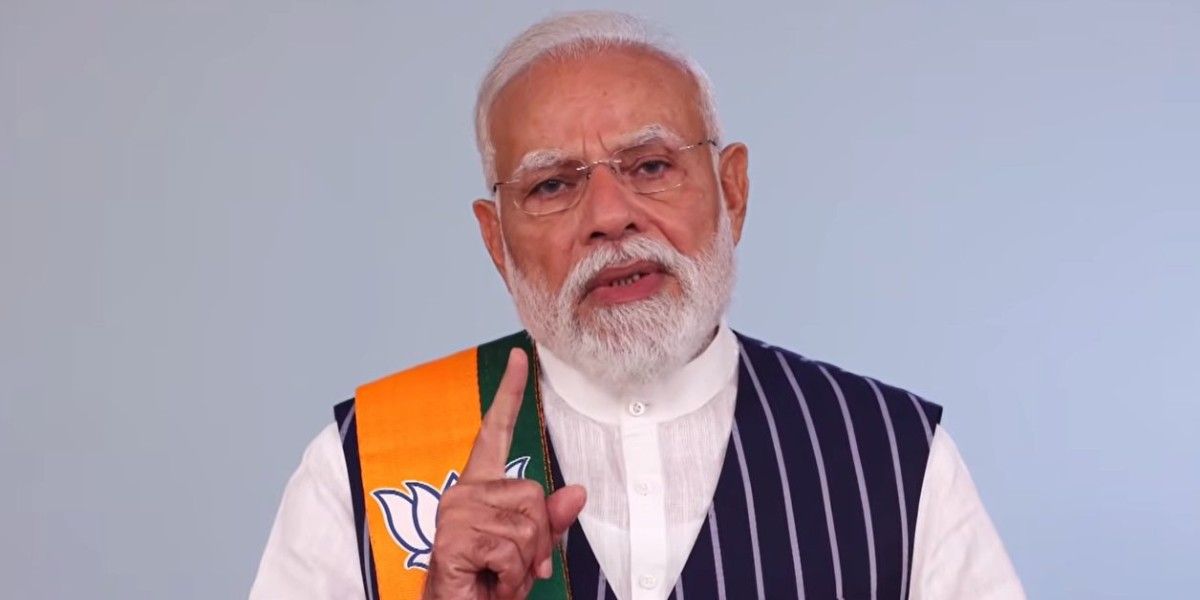
Women’s reservation support India has once again come into the spotlight after the Prime Minister called for broader backing to strengthen the policy framework. The appeal highlights the importance of ensuring greater participation of women in legislative bodies and decision-making processes.
Women’s reservation has long been considered a key reform aimed at improving gender representation in governance. The latest push for women’s reservation support India signals a renewed emphasis on translating policy intent into effective implementation.
Key Highlights
- The Prime Minister called for stronger women’s reservation support India.
- Focus on improving women’s participation in legislative bodies.
- Emphasis on implementation and institutional backing.
- Policy seen as a step toward inclusive governance.
What Did the PM Say?
Addressing the issue, the Prime Minister underlined the need for collective efforts to enhance women’s reservation support India. The call was directed at political stakeholders, institutions, and the public to ensure that the policy achieves its intended outcomes.
The PM emphasised that women’s representation is essential for balanced decision-making and inclusive growth. Strengthening women’s reservation support India would help create opportunities for women to actively contribute to governance and policy formulation.
Understanding Women’s Reservation
The concept of women’s reservation support India revolves around reserving a certain percentage of seats in legislative bodies for women. The objective is to address the underrepresentation of women in politics and create a more equitable system.
Over the years, discussions around women’s reservation have focused on:
- Enhancing political participation
- Promoting gender equality
- Encouraging leadership among women
- Strengthening democratic institutions
The renewed focus on women’s reservation support India indicates continued efforts to achieve these goals.
Context / Background
The demand for women’s reservation support India has been part of the country’s political discourse for decades. Various proposals and legislative efforts have aimed to ensure a fixed quota for women in Parliament and state assemblies.
Recent developments have brought the issue back into focus, with policymakers stressing the need for effective implementation. The Prime Minister’s call aligns with broader efforts to promote gender inclusion across sectors.
India has made progress in increasing women’s participation in local governance through reservation in panchayats and municipalities. Extending similar representation at higher levels remains a key objective.
Why This Matters
The push for women’s reservation support India is significant for several reasons. Increasing women’s representation in governance can lead to more diverse perspectives in policymaking.
Research and observations suggest that greater participation of women can influence priorities such as education, healthcare, and social welfare. Strengthening women’s reservation support India can therefore contribute to more inclusive development.
Additionally, it can inspire more women to enter politics and take on leadership roles, creating a positive cycle of representation and empowerment.
Challenges in Implementation
Despite widespread support, the women’s reservation support India initiative faces certain challenges:
- Political consensus across parties
- Delimitation and seat allocation complexities
- Ensuring effective participation beyond symbolic representation
- Addressing social and structural barriers
The Prime Minister’s call highlights the need to address these challenges through collaborative efforts.
Public and Political Response
The renewed emphasis on women’s reservation support India has generated discussions among political leaders, experts, and the public. Many have welcomed the call as a step toward strengthening democratic inclusivity.
At the same time, there are ongoing debates about implementation strategies and timelines. Ensuring that the policy translates into meaningful participation remains a key focus.
What Lies Ahead
The future of women’s reservation support India will depend on how effectively the policy is implemented and supported by stakeholders. Legislative actions, administrative measures, and public awareness will play crucial roles.
Continued dialogue and collaboration will be essential to ensure that the objectives of the policy are achieved.
Conclusion
The Prime Minister’s call for stronger women’s reservation support India underscores the importance of gender representation in governance. By encouraging broader backing, the initiative aims to enhance women’s participation in decision-making processes.
As efforts continue to strengthen the policy framework, the focus will remain on creating a more inclusive and representative democratic system.(With Inputs from H.S)
Inputs & Images courtesy: Hindusthan Samachar (H.S)
Add News Pixel as a preferred source on Google – Click Here
Edited By- E. Lakshmi Tejasri
Last Updated on: Thursday, April 9, 2026 3:24 pm by E. Lakshmi Tejasri | Published by: E. Lakshmi Tejasri on Thursday, April 9, 2026 3:24 pm | News Categories: India

Leave a Reply