
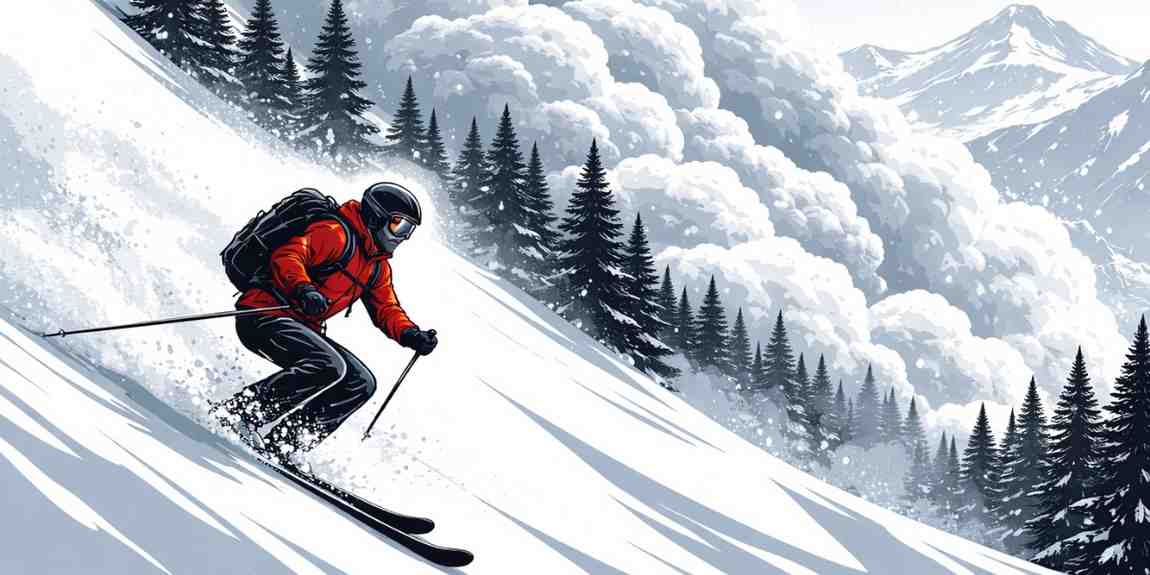
The deadliest avalanche in recent memory near Lake Tahoe has reignited urgent conversations about climate change, extreme weather patterns, and the growing risks of backcountry skiing in 2026. Once considered a winter paradise for powder enthusiasts, the Sierra Nevada region is now facing unpredictable snowpack conditions that are redefining what “safe” means in the mountains.
As extreme weather events become more frequent across the western United States, avalanche danger levels are rising in ways that even experienced skiers and mountaineers are struggling to anticipate.
The Changing Face of Winter in 2026
Historically, Lake Tahoe has been known for consistent snowfall and stable snow layers that attract skiers from across the country. However, climate-driven weather volatility is altering traditional snowfall cycles. Warmer atmospheric rivers, rapid freeze-thaw patterns, and heavy snow followed by rain are creating unstable snowpacks.
Experts monitoring the Sierra Nevada snow conditions warn that fluctuating temperatures are forming weak layers beneath dense snow accumulations. These weak layers dramatically increase avalanche probability, even in areas once considered relatively safe.
Extreme weather in 2026 is not just about heavier snow — it is about unpredictability.
Why This Avalanche Was So Deadly
The 2026 avalanche near Lake Tahoe occurred after a sequence of intense winter storms followed by a rapid temperature shift. This created a classic “slab avalanche” scenario, where a dense upper layer of snow broke free from a fragile base.
Backcountry skiers often rely on historical knowledge of terrain, slope angles, and seasonal patterns. However, climate change is disrupting these patterns. What once appeared stable may now carry hidden structural weaknesses beneath the surface.
Rescue teams emphasized that even avalanche safety gear such as beacons, probes, and airbags cannot fully compensate for extreme weather-driven instability.
The Rise of Backcountry Skiing — and the Risks
Backcountry skiing has surged in popularity over the past decade, especially after the COVID-era boom in outdoor recreation. Many skiers are moving beyond ski resorts into ungroomed, uncontrolled terrain in search of untouched powder.
Unlike ski resorts that conduct avalanche mitigation and controlled detonations, backcountry terrain offers no artificial safeguards. The deadly avalanche of 2026 highlights a growing reality: increased participation combined with unstable snow conditions significantly raises risk levels.
Search and rescue operations in the Sierra Nevada have reported more frequent avalanche incidents compared to previous decades, reflecting both higher participation and worsening climate variability.
Climate Change and Avalanche Frequency
Scientists have linked rising global temperatures to intensified winter storms in mountainous regions. Warmer air holds more moisture, resulting in heavier snowfall events. However, rapid warming episodes cause snowpack destabilization.
The Sierra Nevada mountain range, which surrounds Lake Tahoe, is particularly vulnerable to atmospheric rivers — powerful moisture systems that can dump massive amounts of snow or rain within short periods.
This combination of heavy snow loads and sudden warming creates ideal conditions for catastrophic avalanches. In 2026, extreme weather patterns have made traditional avalanche forecasting more complex and less predictable.
Redefining ‘Safe’ in Backcountry Skiing
For decades, avalanche safety guidelines focused on slope angle awareness, snowpack evaluation, and group preparedness. While these principles remain essential, experts now argue that climate volatility demands an updated risk mindset.
“Safe” no longer simply means checking the avalanche forecast and carrying proper equipment. It also requires understanding dynamic weather systems, microclimate shifts, and rapid temperature changes that can alter terrain stability within hours.
Backcountry safety education in 2026 increasingly emphasizes real-time weather tracking, conservative route selection, and advanced avalanche training courses.
Technology vs. Nature: Can Innovation Keep Up?
Modern avalanche forecasting uses satellite imagery, AI-powered snow modeling, and real-time data from remote sensors. However, extreme weather variability challenges predictive models.
Even with advanced technology, mountain environments remain inherently unpredictable. The Lake Tahoe tragedy demonstrates that technology can support decision-making, but it cannot eliminate environmental risk.
Outdoor recreation experts are urging stronger public awareness campaigns and stricter safety advisories during high-risk periods.
What Backcountry Skiers Should Do in 2026
In light of increasing avalanche risks, experts recommend:
- Taking certified avalanche safety courses
- Monitoring local avalanche forecasts multiple times daily
- Avoiding slopes between 30–45 degrees during unstable conditions
- Traveling in well-trained groups with communication plans
- Recognizing that extreme weather events can override past experience
Preparation and caution are now more critical than ever.
A Warning Sign for Mountain Communities
The deadly avalanche near Lake Tahoe is not just a skiing tragedy — it is a warning about the broader impact of climate change on mountain ecosystems and tourism economies. Local communities dependent on winter recreation face mounting challenges as weather volatility increases.
Insurance costs, rescue infrastructure, and public safety planning are all being reshaped by more intense and unpredictable winters.
Conclusion: The New Reality of Mountain Risk
The events of 2026 have forced a sobering realization: extreme weather is redefining what it means to venture into the backcountry. The Lake Tahoe avalanche stands as a stark reminder that climate change is altering even the most familiar landscapes.
Backcountry skiing will always carry inherent risk, but in an era of intensified storms and unstable snowpacks, caution must evolve alongside changing environmental realities. In the mountains, “safe” is no longer a fixed standard — it is a constantly shifting calculation shaped by climate, preparation, and respect for nature.
Also read: DGCA Zero Tolerance Policy: 30-Day Bans, Strict Action on Unruly Passengers
Add News Pixel as a preferred source on Google – Click Here
Last Updated on: Thursday, February 19, 2026 2:53 pm by News Pixel Team | Published by: News Pixel Team on Thursday, February 19, 2026 2:52 pm | News Categories: Entertainment, India, Latest

Leave a Reply