
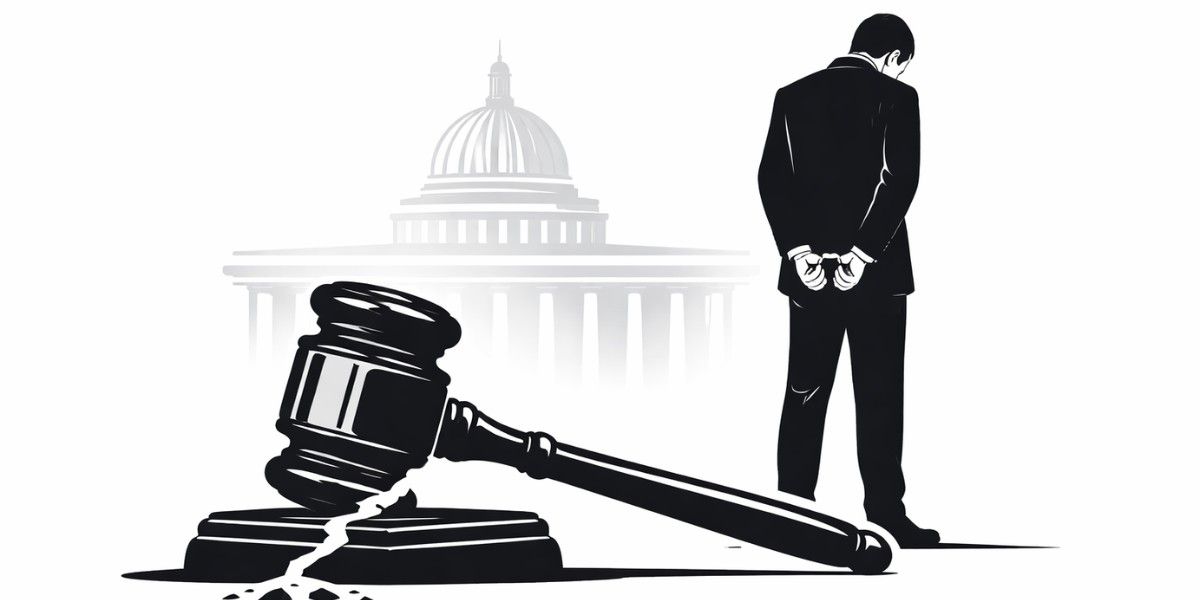
The sentencing of former South Korean President Yoon Suk Yeol marks a historic chapter in the political evolution of South Korea. The fall of a sitting or former president is never just a legal event — it is a constitutional stress test for democracy, rule of law, and institutional strength.
In a region often challenged by political turbulence, this development has triggered global debates about democratic accountability, judicial independence, and executive power. The case serves as a powerful reminder that no leader stands above the law.
Lesson 1: No One Is Above the Law
One of the strongest pillars of democracy is the principle that every citizen — including the president — is subject to the same legal standards. The prosecution and sentencing of Yoon Suk Yeol reinforce the idea that democratic institutions must operate independently of political influence.
In functioning democracies, power is not permanent, and authority is conditional. Leaders derive legitimacy from constitutional systems, not personal status. When legal systems investigate and prosecute wrongdoing transparently, public trust in democracy is strengthened rather than weakened.
Lesson 2: Institutional Strength Determines Democratic Survival
The role of the judiciary, anti-corruption bodies, and investigative agencies in South Korea demonstrates how institutional resilience protects democratic governance. Despite political pressure and public division, legal proceedings moved forward through constitutional channels.
South Korea has witnessed similar political reckonings in the past, including the impeachment of former President Park Geun-hye. These precedents show that democratic systems mature when institutions act independently, even in moments of national crisis.
Strong institutions ensure that democracy does not depend solely on personalities but on laws, procedures, and accountability mechanisms.
Lesson 3: Public Accountability Is the Core of Democratic Leadership
Democracy is not just about elections — it is about accountability between elections. The sentencing of a former president reflects the expectations citizens place on public officials to act transparently and ethically.
Public protests, civic engagement, and media scrutiny often play crucial roles in democratic oversight. In South Korea’s political culture, active civic participation has historically influenced governance outcomes. This dynamic demonstrates how citizens act as guardians of democratic integrity.
Lesson 4: Political Stability Requires Legal Transparency
Legal proceedings against top leaders can create short-term instability. Markets react, political alliances shift, and public discourse intensifies. However, transparency in legal processes ultimately stabilizes democratic systems in the long run.
When investigations are conducted through constitutional frameworks rather than political retaliation, democratic credibility increases both domestically and internationally. South Korea’s adherence to legal procedure during high-profile cases signals institutional maturity.
Lesson 5: Democracy Is a Continuous Process, Not a Fixed Achievement
The fall of a president underscores that democracy requires constant vigilance. Democratic systems are not self-sustaining; they depend on ethical leadership, judicial independence, free media, and active citizen participation.
South Korea’s experience illustrates that democratic setbacks can become democratic reinforcements if institutions respond effectively. Political crises, when handled constitutionally, often lead to stronger governance frameworks.
Global Implications: What Other Democracies Can Learn
The sentencing of Yoon Suk Yeol carries broader lessons for democracies worldwide. In many countries, political polarization and executive overreach challenge constitutional norms. South Korea’s example shows that the rule of law can prevail when institutions function without interference.
Emerging democracies, in particular, can draw lessons about judicial independence, anti-corruption enforcement, and the importance of transparent governance structures.
The Balance Between Political Power and Legal Responsibility
Presidential systems often grant significant executive authority. However, democratic frameworks impose checks and balances to prevent abuse of power. The legal consequences faced by a former president demonstrate that executive power is temporary, but constitutional responsibility is permanent.
This balance between authority and accountability defines modern democratic governance.
Conclusion: A Test That Strengthened Democracy
The fall and sentencing of Yoon Suk Yeol will remain a defining political moment in South Korea’s history. While such events can polarize societies, they also reaffirm democratic principles when handled through lawful procedures.
The five key lessons — rule of law, institutional strength, public accountability, legal transparency, and democratic vigilance — extend beyond one country. They remind the world that democracy is not measured by the absence of crisis, but by how a nation responds to it.
In the end, the sentencing of a president may not signal the failure of democracy — it may prove its resilience.
Also read: The ‘MANAV Vision’: What PM Modi’s Human-Centric AI Plan Means for Your Job in 2026
Add News Pixel as preferred source on Google- Click here
Last Updated on: Thursday, February 19, 2026 2:43 pm by News Pixel Team | Published by: News Pixel Team on Thursday, February 19, 2026 2:43 pm | News Categories: Opinion, Politics

Leave a Reply