
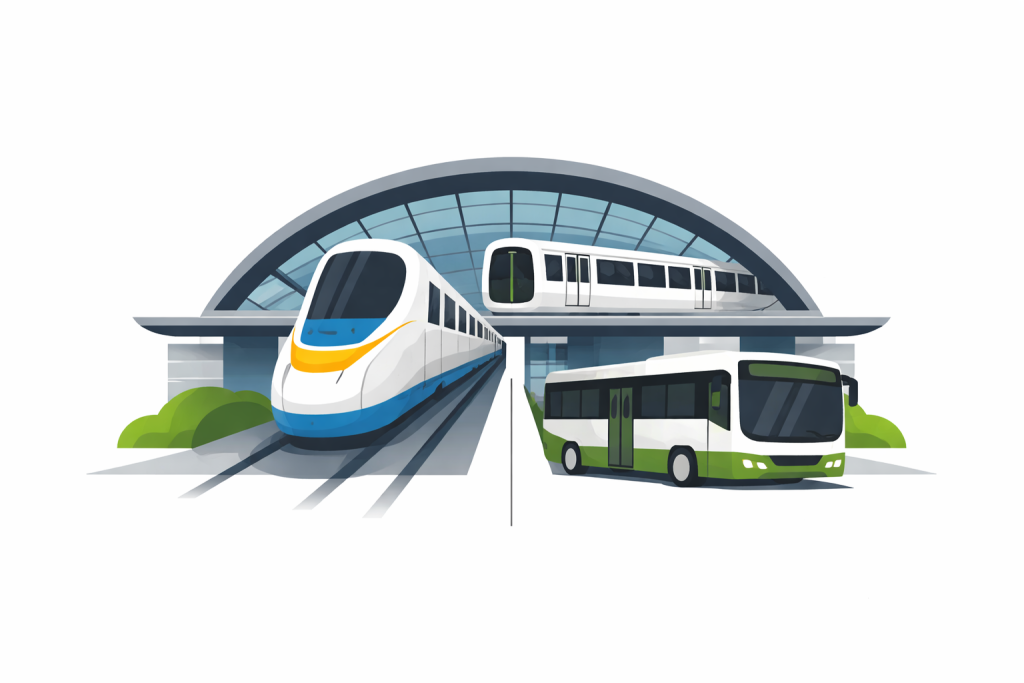
Gurugram is set to undergo a major shift in urban mobility with plans underway to develop a multimodal smart transport hub around Gurugram railway station. The initiative, led by urban development authorities in coordination with transport and planning agencies, aims to integrate rail, metro, bus, and last-mile connectivity into a single, technology-enabled transit ecosystem.
As one of India’s fastest-growing urban centres, Gurugram has long struggled with fragmented transport networks, traffic congestion, and limited public transit integration. The proposed smart transport hub seeks to address these challenges while aligning with national goals around sustainable mobility, transit-oriented development, and smart city infrastructure.
What Is the Gurugram Multimodal Smart Transport Hub Project?
The multimodal smart transport hub is envisioned as a centralised interchange that seamlessly connects multiple modes of transport at and around the Gurugram railway station. Instead of functioning solely as a point for long-distance rail travel, the station area is planned to become a high-capacity mobility node serving daily commuters, intercity passengers, and last-mile users.
At its core, the project focuses on:
- Physical integration of different transport systems
- Digital and smart technology adoption
- Improved passenger experience and safety
- Decongestion of surrounding roads
Urban planners see the hub as a critical intervention to support Gurugram’s expanding population and its role as a major employment and commercial destination in the National Capital Region (NCR).
Why Gurugram Needs a Multimodal Transport Hub
Rising Urban Pressure
Gurugram’s rapid urbanisation, driven by corporate offices, residential developments, and commercial hubs, has placed enormous pressure on road infrastructure. Daily commuting patterns heavily depend on private vehicles, contributing to congestion and pollution.
Fragmented Transport Systems
Currently, rail, metro, city buses, app-based taxis, and autos operate largely in silos. Passengers often face:
- Poor interchange facilities
- Lack of clear signage and information
- Long walking distances between modes
The multimodal hub aims to eliminate these inefficiencies by bringing all key transport options under a unified framework.
Key Features of the Proposed Smart Transport Hub
Integrated Rail, Metro, and Bus Connectivity
The hub is designed to link:
- Indian Railways services at Gurugram railway station
- Delhi Metro and Rapid Metro corridors
- City and intercity bus services
This integration will allow commuters to switch modes with minimal travel time and physical effort.
Last-Mile Connectivity Infrastructure
Dedicated zones are planned for:
- Autos and e-rickshaws
- App-based cab services
- Feeder buses
- Bicycle and pedestrian movement
By formalising last-mile services, authorities aim to reduce roadside chaos and improve traffic flow around the station area.
Smart Passenger Facilities
The hub is expected to feature:
- Digital information displays for real-time schedules
- Integrated ticketing systems
- Improved waiting areas and accessibility features
- Surveillance and safety monitoring systems
Such features are intended to enhance passenger convenience and confidence in public transport.
Technology and ‘Smart’ Elements in the Hub Design
A defining aspect of the project is its emphasis on smart mobility solutions. While final specifications will evolve as planning progresses, authorities have indicated a focus on:
- Intelligent traffic management systems
- Data-driven passenger flow analysis
- Smart parking solutions
- Energy-efficient infrastructure
These components align with broader national initiatives promoting digital governance and technology-led urban planning.
Impact on Daily Commuters and Residents
Reduced Travel Time
By enabling smoother transitions between transport modes, the hub is expected to cut down overall travel time for thousands of daily commuters, particularly those travelling between Gurugram, Delhi, and other NCR cities.
Improved Reliability
Integrated scheduling and better coordination among transport services can reduce delays and uncertainty, a key concern for office-goers and long-distance travellers.
Enhanced Safety and Accessibility
Improved lighting, surveillance, and pedestrian-friendly design are expected to make the area safer, including for women, senior citizens, and persons with disabilities.
Economic and Urban Development Implications
Boost to Transit-Oriented Development
Multimodal hubs often act as anchors for transit-oriented development (TOD). The Gurugram project is likely to encourage:
- Mixed-use developments
- Commercial activity around the station area
- Higher land-use efficiency
This can contribute to structured urban growth rather than unplanned sprawl.
Employment and Business Opportunities
Construction, operations, and allied services associated with the hub are expected to generate employment. Improved connectivity can also benefit local businesses by increasing footfall and accessibility.
Environmental Benefits and Sustainability Goals
One of the primary motivations behind multimodal transport hubs is reducing dependence on private vehicles. Authorities expect the Gurugram hub to contribute to:
- Lower vehicular emissions
- Reduced fuel consumption
- Promotion of public and non-motorised transport
By encouraging commuters to shift from cars to integrated public transport, the project supports broader environmental and climate objectives.
Challenges and Considerations
Land and Coordination Issues
Large-scale infrastructure projects in dense urban areas often face challenges related to land acquisition, inter-agency coordination, and construction timelines. Effective collaboration between railway authorities, urban development bodies, and local administration will be critical.
Managing Construction Disruption
During the development phase, traffic diversions and temporary inconvenience are likely. Clear communication and phased execution will be essential to minimise disruption for residents and commuters.
Ensuring Long-Term Efficiency
Beyond construction, the success of the hub will depend on:
- Efficient operations and maintenance
- Continuous technology upgrades
- Responsive governance and feedback mechanisms
How This Fits into NCR’s Larger Mobility Vision
The Gurugram multimodal smart transport hub is part of a broader push across the NCR to modernise urban transport. Similar projects in Delhi and other major cities reflect a shift towards integrated mobility planning rather than isolated infrastructure additions.
For Gurugram, the hub could become a model for future transport-oriented redevelopment across the city, particularly around major transit corridors.
What Happens Next
Planning authorities are currently focusing on:
- Detailed project reports and feasibility studies
- Design finalisation and stakeholder consultations
- Identifying implementation timelines and funding mechanisms
Once approvals are secured, phased execution is expected to begin, with passenger convenience and safety remaining key priorities.
Conclusion
The proposed multimodal smart transport hub around Gurugram railway station represents a significant step toward addressing the city’s long-standing connectivity challenges. By integrating rail, metro, bus, and last-mile services within a smart, commuter-centric framework, the project has the potential to transform how Gurugram moves.
For Indian urban centres grappling with congestion and sustainability concerns, Gurugram’s initiative highlights a future where mobility is not just faster, but smarter, safer, and more inclusive. If executed effectively, the hub could redefine daily commuting for thousands and set a benchmark for integrated transport infrastructure across the country.
Disclaimer: This article is based on publicly available information, regulatory filings, industry sources, and expert commentary believed to be reliable at the time of publication. It is intended solely for informational purposes and should not be considered financial, investment, legal, or professional advice. Readers are encouraged to conduct their own research and consult qualified professionals before making business or investment decisions. While reasonable efforts have been made to ensure accuracy, the publication makes no representations or warranties regarding the completeness or timeliness of the information and assumes no liability for any actions taken based on this content. Forward-looking statements are subject to risks and uncertainties, and actual outcomes may differ.
Last Updated on: Tuesday, February 10, 2026 7:22 pm by News Pixel Team | Published by: News Pixel Team on Tuesday, February 10, 2026 1:23 pm | News Categories: Business
About The Author

Comment here