
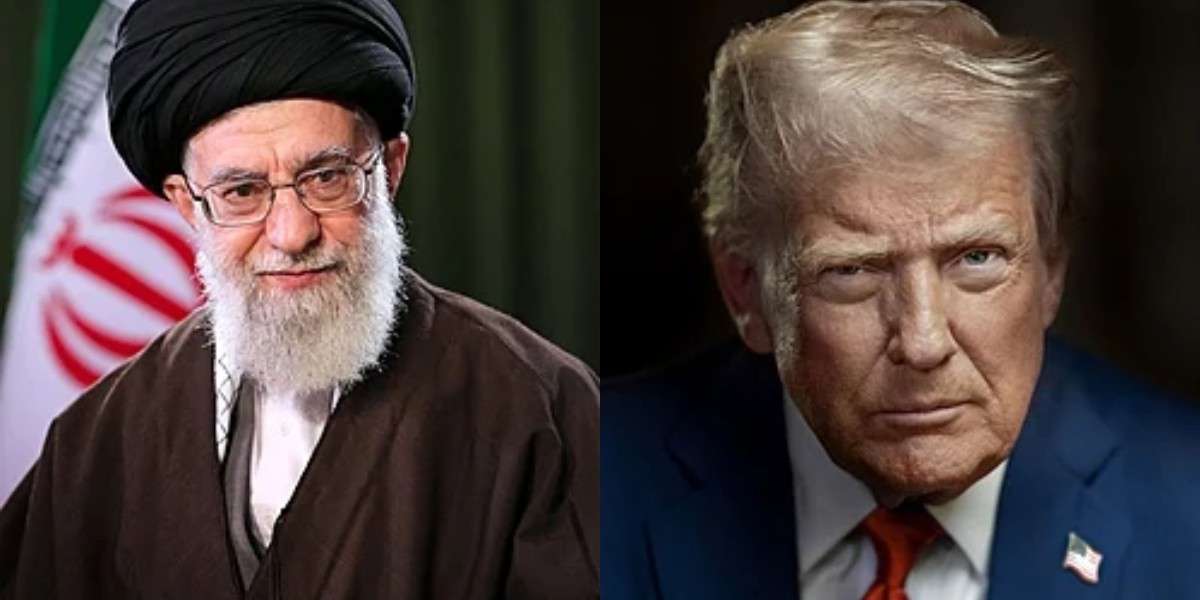
The US Iran ship seizure Hormuz crisis has intensified after the United States seized an Iranian-flagged cargo vessel near the strategic Strait of Hormuz. The move has triggered strong reactions from Iran, which has vowed to respond soon, raising fears of further escalation in an already volatile region.
The incident comes at a critical time, with fragile ceasefire efforts and diplomatic talks hanging in the balance.
What Happened Near Hormuz
The US Iran ship seizure Hormuz incident involved a cargo ship identified as Touska, which US forces say attempted to bypass a naval blockade imposed on Iranian ports.
According to officials, the vessel was intercepted by US naval forces, disabled after ignoring warnings, and later boarded by Marines.
This marks the first direct interception since the blockade began, signaling a tougher enforcement approach by Washington.
Iran’s Strong Reaction
Iran has strongly condemned the US Iran ship seizure Hormuz action, calling it an act of “armed piracy” and a violation of the ceasefire agreement.
Tehran’s military command has warned that it will “respond soon,” escalating concerns about potential retaliation in the region.
Officials also hinted that continued US pressure could lead to broader consequences, including disruptions in maritime movement.
Impact on Ceasefire and Talks
The US Iran ship seizure Hormuz development has cast serious doubt over ongoing diplomatic efforts. Iran has already signaled reluctance to participate in further negotiations, citing US actions as inconsistent with peace efforts.
With the ceasefire nearing its expiry, analysts warn that this incident could derail talks and push the situation toward further confrontation.
Why the Strait of Hormuz Matters
The Strait of Hormuz is one of the world’s most critical oil transit routes, with nearly one-fifth of global oil supply passing through it.
The US Iran ship seizure Hormuz crisis has already disrupted shipping activity, with several vessels unable to pass through the waterway due to security concerns.
Any prolonged disruption could have significant global economic consequences, particularly for energy markets.
Rising Global Concerns
The latest US Iran ship seizure Hormuz escalation has drawn international attention, as tensions in the Middle East continue to rise. Oil prices have already reacted to the uncertainty, and global markets are closely monitoring developments.
Experts warn that even a limited retaliation from Iran could trigger a wider conflict involving regional and global powers.
What Lies Ahead
The situation remains highly fluid following the US Iran ship seizure Hormuz incident. Key developments to watch include:
- Iran’s potential retaliation
- US military response and blockade enforcement
- Status of diplomatic negotiations
- Impact on global oil supply routes
Any escalation could rapidly change the geopolitical landscape in the region.
Conclusion
The US Iran ship seizure Hormuz crisis marks a serious turning point in US-Iran relations, with both sides adopting increasingly firm positions. As tensions rise and diplomatic efforts falter, the risk of further conflict continues to grow.
With the Strait of Hormuz at the center of the dispute, the world is closely watching how the situation unfolds in the coming days.
Also read: Urgent Alert: Japan Tsunami Alert Earthquake Triggers Coastal Warnings After Powerful 7.4 Tremor
Add News Pixel as a preferred source on Google – Click Here
Edited By- E. Lakshmi Tejasri
Last Updated on: Monday, April 20, 2026 3:12 pm by E. Lakshmi Tejasri | Published by: E. Lakshmi Tejasri on Monday, April 20, 2026 3:12 pm | News Categories: News

Leave a Reply