
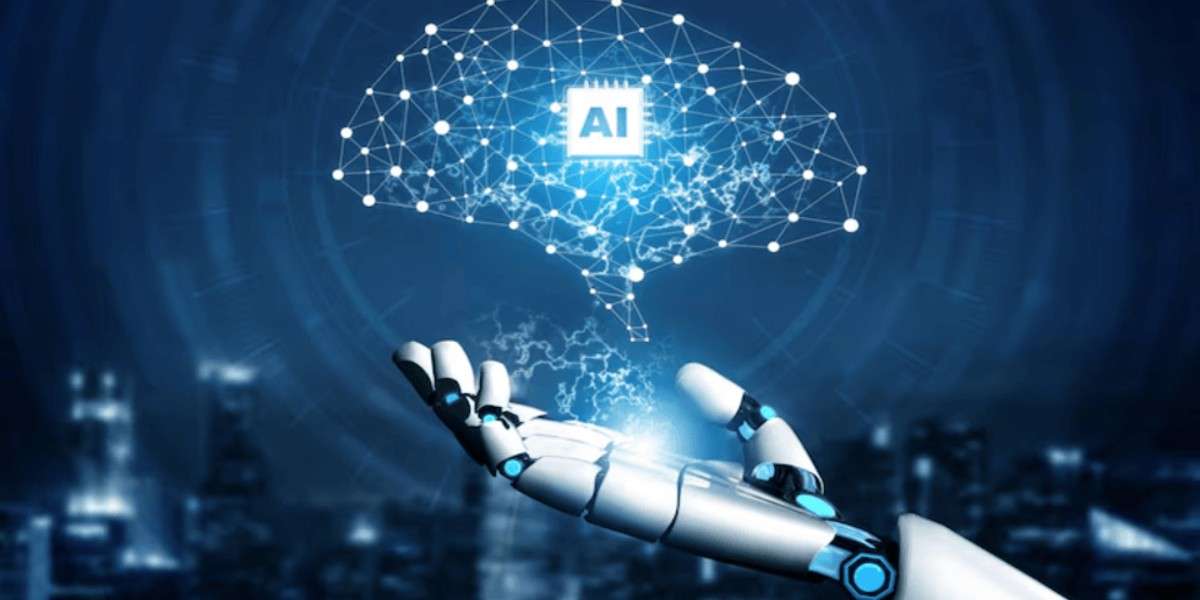
AI innovation future is rapidly evolving, marking a significant shift in how technology integrates with industries, economies, and everyday life. From advanced machine learning models to generative AI systems, the next wave of artificial intelligence is shaping a new era of digital transformation.
As organisations across the globe invest heavily in research and development, the AI innovation future is being defined by breakthroughs that promise improved efficiency, smarter decision-making, and new opportunities across sectors.
Key Highlights
- The AI innovation future is driven by rapid advancements in machine learning and automation.
- Industries such as healthcare, finance, and manufacturing are witnessing transformation.
- Governments and private sectors are increasing investments in AI technologies.
- Ethical and regulatory considerations are becoming central to AI development.
What is Driving the Next Wave of AI?
The AI innovation future is being shaped by several key factors, including increased computational power, access to large datasets, and improvements in algorithm design. Technologies such as deep learning and natural language processing have enabled machines to perform complex tasks with higher accuracy.
Cloud computing has also played a crucial role, allowing organisations to scale AI solutions efficiently. Additionally, open-source frameworks and collaborative research have accelerated innovation, making AI more accessible to developers and businesses.
Emerging Trends in AI Innovation
The AI innovation future is characterised by a range of emerging trends that are redefining the technology landscape:
1. Generative AI
Generative AI models are capable of creating text, images, and even videos. These systems are being used in content creation, design, and customer engagement.
2. Autonomous Systems
From self-driving cars to automated industrial processes, autonomous systems are becoming more sophisticated, reducing human intervention in complex operations.
3. AI in Healthcare
The AI innovation future is particularly impactful in healthcare, where AI is being used for early diagnosis, personalised treatment, and drug discovery.
4. AI Ethics and Governance
As AI systems become more powerful, concerns around data privacy, bias, and accountability are gaining importance. Regulatory frameworks are evolving to address these challenges.
Industry Impact
The AI innovation future is transforming multiple industries:
- Healthcare: AI is improving diagnostic accuracy and patient care.
- Finance: Algorithms are enhancing fraud detection and risk management.
- Manufacturing: Automation is increasing efficiency and reducing costs.
- Retail: Personalised recommendations are improving customer experience.
These changes highlight the growing importance of AI as a core component of modern business strategies.
Context / Background
Artificial intelligence has evolved significantly over the past few decades, moving from rule-based systems to advanced machine learning models. The AI innovation future builds on this foundation, leveraging advancements in computing and data science.
Major technology companies, startups, and research institutions are actively contributing to AI development. Governments are also recognising the strategic importance of AI, leading to increased funding and policy initiatives.
The global competition in AI innovation is intensifying, with countries aiming to establish leadership in this critical field.
Challenges Ahead
Despite its potential, the AI innovation future faces several challenges:
- Data Privacy: Ensuring the protection of user data remains a priority.
- Bias in AI Systems: Addressing algorithmic bias is essential for fair outcomes.
- Regulation: Developing balanced policies that encourage innovation while ensuring safety.
- Skill Gap: The demand for AI expertise continues to outpace supply.
Addressing these challenges will be crucial for sustainable growth in AI.
Public Impact
The AI innovation future is not limited to industries; it is also influencing everyday life. From virtual assistants to recommendation systems, AI is becoming an integral part of daily experiences.
For individuals, this means greater convenience and access to personalised services. However, it also raises questions about privacy and the role of technology in society.
Understanding these implications is essential as AI continues to evolve.
What Lies Ahead
The AI innovation future is expected to bring even more advanced capabilities, including improved human-machine collaboration and smarter decision-making systems. As technology continues to progress, AI will likely play a central role in addressing global challenges such as climate change, healthcare access, and economic development.
Organisations that adapt to these changes will be better positioned to leverage the opportunities presented by AI.
Conclusion
The AI innovation future represents a transformative phase in technological development, driven by rapid advancements and widespread adoption. As industries and societies embrace AI, the focus will remain on balancing innovation with ethical considerations.
The next wave of AI innovation is set to redefine how we interact with technology, making it one of the most important developments of the modern era.(With Inputs from H.S)
Inputs & Images courtesy: Hindusthan Samachar (H.S)
Add News Pixel as a preferred source on Google – Click Here
Edited By- E. Lakshmi Tejasri
Last Updated on: Thursday, April 9, 2026 2:40 pm by E. Lakshmi Tejasri | Published by: E. Lakshmi Tejasri on Thursday, April 9, 2026 2:40 pm | News Categories: Technology

Leave a Reply