
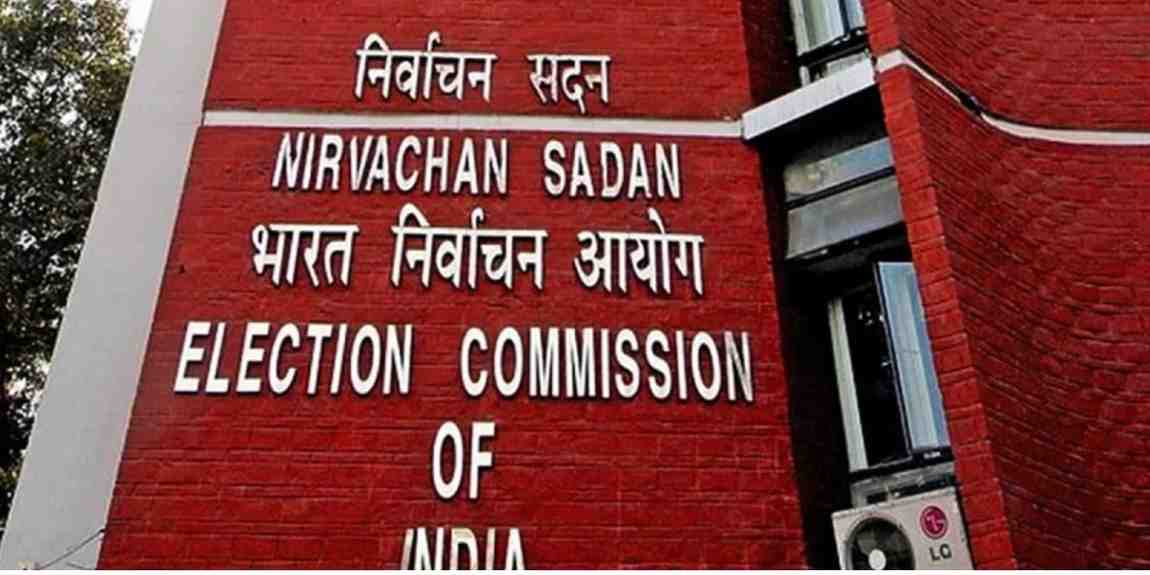
Election silence period norms India have once again come into focus as authorities issued guidelines reminding media houses to strictly adhere to legal provisions during the crucial pre-poll phase. The advisory aims to ensure a level playing field for all candidates and maintain the integrity of the electoral process.
Under Indian law, the silence period is a defined timeframe before voting begins, during which campaigning and certain forms of political communication are restricted. The renewed emphasis on election silence period norms India highlights the importance of responsible media conduct during elections.
Key Highlights
- Authorities have reiterated election silence period norms India for media organisations.
- Restrictions apply during the 48-hour period before polling.
- Media houses are required to avoid publishing or broadcasting campaign-related content.
- The guidelines aim to ensure free and fair elections.
What Are Election Silence Period Norms?
The election silence period norms India refer to restrictions imposed under the Representation of the People Act, 1951. These rules prohibit election campaigning during the 48 hours leading up to the close of polling in a constituency.
The purpose of the silence period is to give voters time to reflect on their choices without influence from active campaigning or persuasive messaging.
For media organisations, this means avoiding content that could be interpreted as promoting or opposing any candidate or political party during this period.
Key Guidelines for Media Houses
Authorities have outlined specific expectations under the election silence period norms India:
1. No Campaign Content
Media houses must refrain from publishing interviews, speeches, or advertisements that promote political parties or candidates.
2. Avoid Exit Polls
Publishing or broadcasting exit polls during restricted periods is prohibited, as it may influence voter behaviour.
3. Balanced Reporting
While general news coverage is allowed, it must remain neutral and factual, without any bias.
4. Social Media Compliance
Digital platforms operated by media organisations must also follow election silence period norms India, including websites and social media channels.
5. No Opinion-Based Content
Editorials, debates, or opinion pieces that could sway voters are restricted during the silence period.
Official Statement
Election authorities stated that strict adherence to the election silence period norms India is essential to uphold democratic principles. Officials emphasised that any violation could attract legal action under relevant provisions of the law.
They also noted that with the rise of digital media, monitoring compliance has become more complex, making cooperation from media organisations even more critical.
The advisory serves as a reminder that both traditional and digital media platforms share responsibility in maintaining the sanctity of the electoral process.
Context / Background
The concept of the silence period is not unique to India but is followed in many democracies worldwide. In India, the election silence period norms India are legally enforced and have evolved over time to include electronic and digital media.
With the expansion of 24/7 news cycles and social media platforms, the role of media has become more influential. As a result, authorities have strengthened guidelines to ensure that voters are not subjected to last-minute campaigning.
The Election Commission of India plays a key role in monitoring compliance and taking action against violations.
Public Impact
The election silence period norms India are designed to protect voters from undue influence during a critical decision-making period. By limiting campaign-related content, the rules aim to create a more balanced environment for voters.
For media houses, compliance ensures credibility and trust among audiences. For political parties, it establishes a fair framework where no candidate gains an unfair advantage in the final hours before polling.
For citizens, the silence period provides an opportunity to make informed decisions based on prior information rather than last-minute persuasion.
Challenges in Implementation
Enforcing election silence period norms India has become increasingly challenging due to the rapid spread of information through social media and digital platforms. Content can be shared instantly, often making it difficult to track and regulate.
Authorities have urged media organisations to adopt internal checks and verification processes to prevent violations. Collaboration between regulators and media entities is essential for effective implementation.
Conclusion
The renewed focus on election silence period norms India underscores the importance of maintaining fairness and transparency in the electoral process. As elections continue to evolve in the digital age, adherence to these norms becomes even more critical.
Media houses, as key stakeholders in information dissemination, play a vital role in ensuring that democratic principles are upheld. By following the guidelines, they contribute to a free, fair, and credible election process.(With Inputs from H.S)
Inputs & Images courtesy: Hindusthan Samachar (H.S)
Also read: Gold Prices in India Today Show Drop While Silver Holds Steady in Bullion Market
Add News Pixel as a preferred source on Google – Click Here
Edited By- E. Lakshmi Tejasri
Last Updated on: Wednesday, April 8, 2026 2:06 pm by E. Lakshmi Tejasri | Published by: E. Lakshmi Tejasri on Wednesday, April 8, 2026 2:06 pm | News Categories: India, Politics

Leave a Reply