
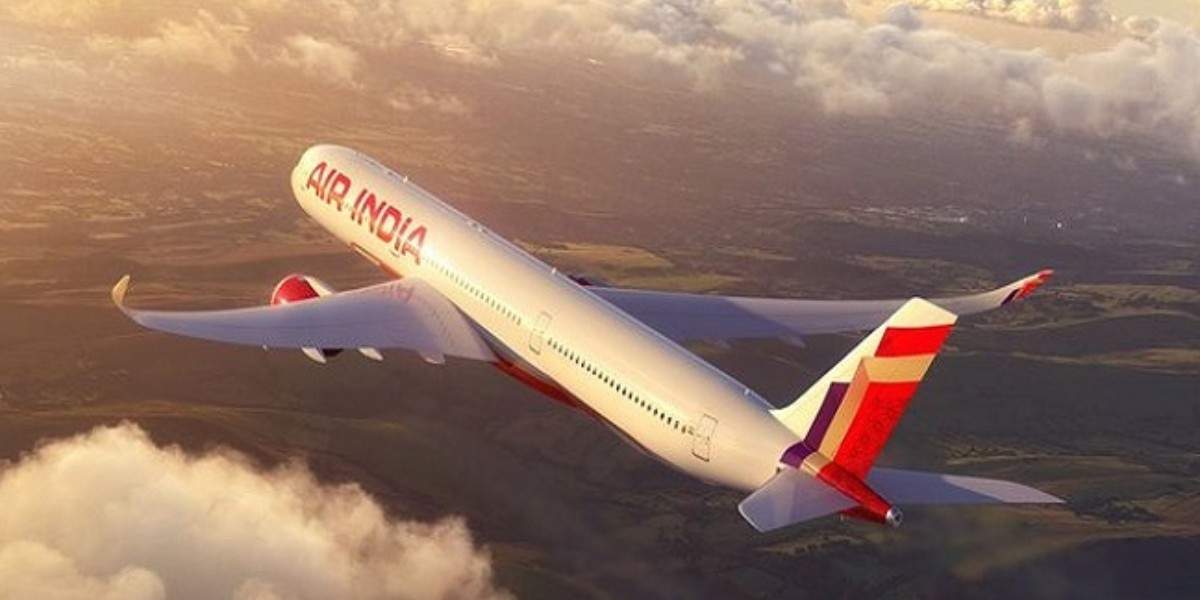
Campbell Wilson Air India CEO exit has drawn attention across the aviation industry, as the chief executive stepped down before completing his five-year term. The development marks a significant leadership change at Air India, which has been undergoing a major transformation under the Tata Group.
Campbell Wilson, who took charge during a crucial phase of Air India’s restructuring, played a central role in shaping the airline’s revival strategy. His early departure has raised questions about the next phase of leadership and continuity in operations.
Key Highlights
- Campbell Wilson Air India CEO stepped down before completing his term.
- The move comes during Air India’s ongoing transformation under Tata Group.
- Leadership transition expected as airline continues expansion plans.
- Industry observers watching impact on long-term strategy.
Who is Campbell Wilson?
The Campbell Wilson Air India CEO has been a prominent figure in the aviation sector with extensive global experience. Before joining Air India, Wilson served as the CEO of Scoot, the low-cost subsidiary of Singapore Airlines.
He has also held multiple leadership roles within the Singapore Airlines Group, gaining experience in both full-service and budget airline operations. His appointment as Air India CEO was seen as a strategic move by the Tata Group to bring international expertise into the airline’s revival process.
Wilson took over Air India at a time when the airline had just returned to Tata Group ownership, marking a new chapter after years under government control.
What Led to the Leadership Change?
While official details around the Campbell Wilson Air India CEO exit remain limited, sources indicate that the decision was part of internal strategic considerations. Leadership transitions are not uncommon during large-scale restructuring efforts, especially in industries as complex as aviation.
Air India has been undergoing significant changes, including fleet expansion, operational restructuring, and service improvements. Managing such a transformation requires alignment across multiple levels of leadership.
The early exit of the Campbell Wilson Air India CEO may reflect evolving priorities within the organisation as it moves from restructuring to expansion.
Official Statement
In its response, Air India acknowledged the contribution of the Campbell Wilson Air India CEO, noting his role in stabilising operations and initiating key reforms. The airline stated that it remains committed to its long-term vision of becoming a globally competitive carrier.
The Tata Group is expected to announce a successor or interim leadership arrangement soon. Officials emphasised that the transition will be managed carefully to ensure continuity in operations and strategic direction.
Context / Background
The appointment of the Campbell Wilson Air India CEO came shortly after Tata Group reacquired Air India from the Indian government. The airline had been facing operational challenges, financial losses, and service-related issues.
Under Wilson’s leadership, Air India launched several initiatives, including:
- Fleet modernisation plans
- Integration with other Tata aviation ventures
- Focus on improving customer experience
- Strengthening international routes
The airline also placed large aircraft orders as part of its long-term growth strategy. These steps were aimed at repositioning Air India as a competitive player in the global aviation market.
Public Impact
The Campbell Wilson Air India CEO exit is likely to have implications for both passengers and industry stakeholders. For travellers, continuity in service quality and expansion plans will be a key concern.
For employees, leadership changes can bring shifts in management style and operational priorities. However, the Tata Group’s broader commitment to rebuilding Air India is expected to provide stability.
From an industry perspective, the transition will be closely watched as Air India competes with both domestic and international carriers in a rapidly evolving market.
What Happens Next?
Following the Campbell Wilson Air India CEO exit, the focus will shift to the appointment of new leadership. The Tata Group is likely to prioritise continuity while also aligning leadership with its long-term vision.
The airline’s transformation journey is ongoing, with major investments already underway. Ensuring that these initiatives continue without disruption will be critical in the coming months.
Conclusion
The Campbell Wilson Air India CEO departure marks a significant moment in the airline’s transformation journey. While leadership changes can create uncertainty, they also offer an opportunity to reassess priorities and strengthen direction.
As Air India continues its efforts to rebuild and expand under the Tata Group, the next phase of leadership will play a crucial role in shaping its future in the global aviation landscape.
Image Source : Hindustan Samachar
Also read: Aadhaar Mobile Linking 2026 Guide: Simple Steps to Link, Update and Check Status Easily
Add News Pixel as a preferred source on Google – Click Here
Edited By- E. Lakshmi Tejasri
Last Updated on: Tuesday, April 7, 2026 3:22 pm by E. Lakshmi Tejasri | Published by: E. Lakshmi Tejasri on Tuesday, April 7, 2026 3:05 pm | News Categories: Business, News

Leave a Reply