
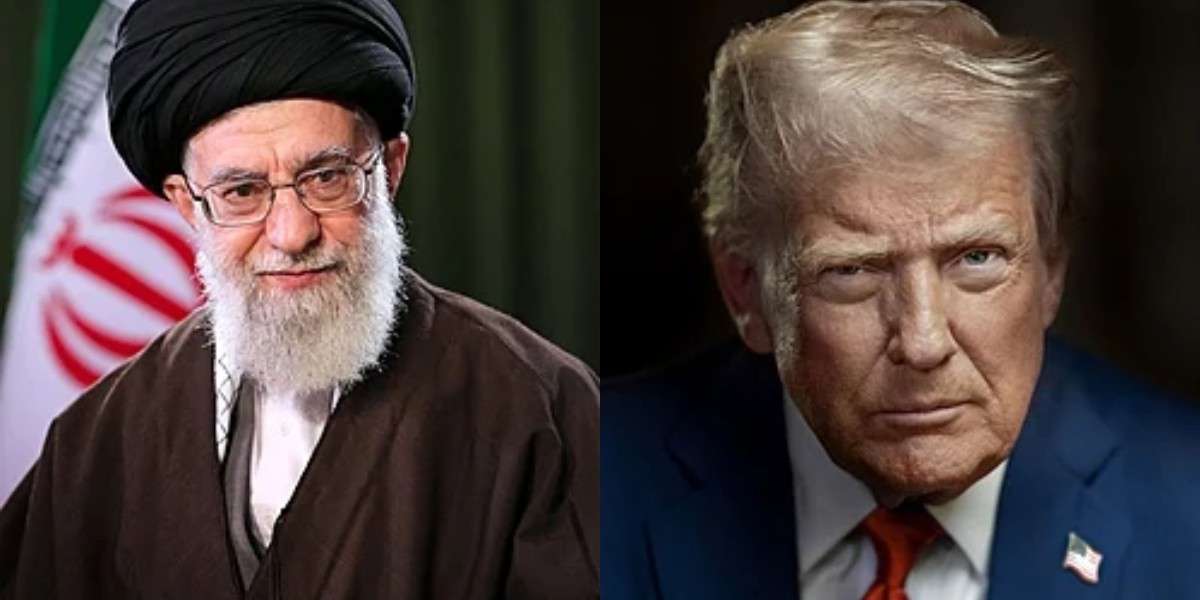
Amid escalating conflict in the Middle East, Iran has firmly rejected US President Donald Trump’s claim that negotiations between the two countries are underway. Iranian officials said there have been no direct talks with Washington since the war began, contradicting Trump’s repeated assertions of “ongoing negotiations” aimed at ending hostilities.
The conflicting statements come as the war enters a critical phase, with continued military exchanges and rising international concern over regional stability.
Key Announcements / Highlights
- Iran denies any direct negotiations with the United States during the ongoing conflict.
- US claims talks are progressing, possibly through intermediaries.
- Tehran acknowledges receiving proposals but insists these do not constitute negotiations.
- The conflict continues with military escalation and diplomatic uncertainty.
Official Statement
Iran’s Foreign Ministry spokesperson Esmaeil Baqaei stated that Tehran has not engaged in any discussions with the United States in recent weeks. He clarified that while messages and proposals have been transmitted through third-party countries such as Pakistan, these cannot be considered formal negotiations.
Iranian officials emphasised that their current priority remains national defence, given ongoing military actions. They also pointed to past diplomatic breakdowns with Washington as a reason for their reluctance to re-enter talks under current conditions.
In contrast, President Trump has publicly maintained that the US is in communication with Iranian leadership and that progress is being made on potential terms to end the conflict.
Context / Background
The current conflict between the United States and Iran has intensified over recent weeks, involving direct and proxy military actions across the region. Reports indicate strikes on energy infrastructure, cyber operations, and heightened tensions around key strategic locations such as the Strait of Hormuz.
Historically, US-Iran relations have been marked by deep mistrust, particularly following the US withdrawal from the 2015 nuclear agreement. Diplomatic engagement has often relied on intermediaries, including regional powers like Oman, Pakistan, and Turkey.
Recent developments suggest that while backchannel communication may exist, both sides are publicly maintaining hardline positions. Iran has described US proposals as “unrealistic” and “excessive,” while the US continues to push for concessions as part of any ceasefire agreement.
Public Impact
The lack of clarity around negotiations has significant global implications. The ongoing conflict has already contributed to rising oil prices and concerns about disruptions in energy supply, particularly through the Strait of Hormuz, a critical global shipping route.
For civilians in the region, continued hostilities increase the risk of humanitarian crises, infrastructure damage, and displacement. International stakeholders, including global financial institutions, have warned of potential economic fallout if the conflict escalates further.
At the same time, the absence of confirmed diplomatic progress reduces the likelihood of a near-term ceasefire, prolonging uncertainty for both regional and global markets.
Conclusion
Iran’s categorical denial of ongoing negotiations highlights the deep divide between Washington and Tehran, even as indirect diplomatic efforts continue behind the scenes. While the United States signals optimism about potential talks, Iran’s stance suggests that formal engagement remains unlikely under current conditions.
As military tensions persist and diplomatic messaging remains contradictory, the path to de-escalation appears uncertain. The coming weeks will be crucial in determining whether indirect channels can translate into meaningful negotiations or whether the conflict will intensify further.
Also read: Amit Shah Criticisms Congress Over Tribal Welfare, Says Naxalism Nearing End Under Modi Government
Add News Pixel as a preferred source on Google – Click Here
Edited By- E. Lakshmi Tejasri
Last Updated on: Tuesday, March 31, 2026 2:10 pm by E. Lakshmi Tejasri | Published by: E. Lakshmi Tejasri on Tuesday, March 31, 2026 2:10 pm | News Categories: News, Politics

Leave a Reply