
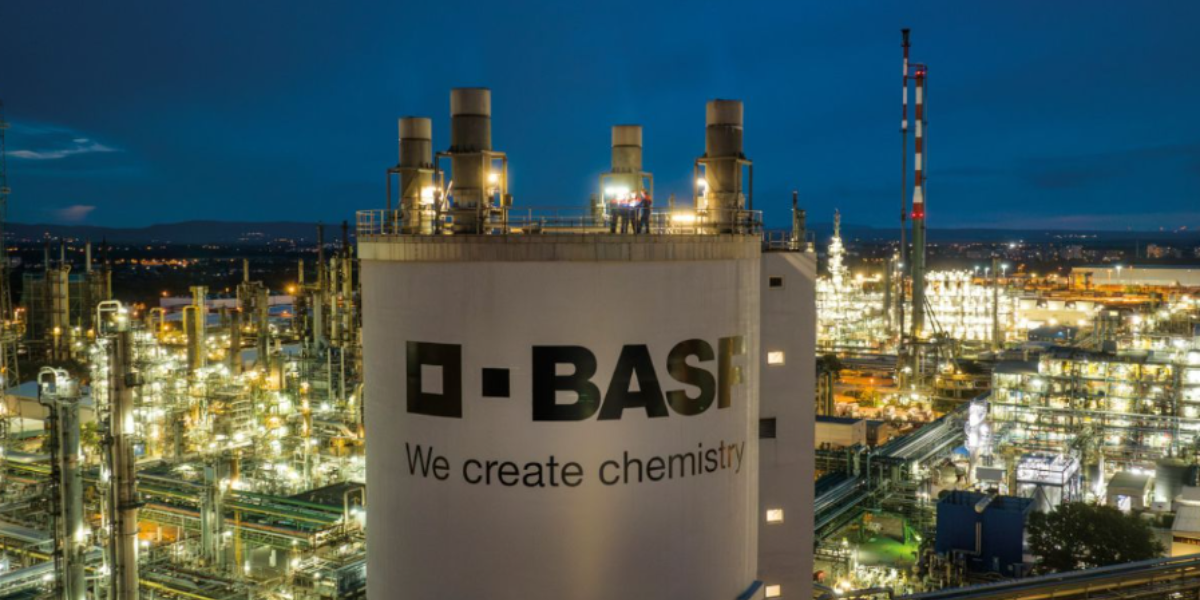
BASF has announced a BASF price increase of up to 30% across select products, citing a sharp rise in energy and raw material costs. The move reflects the growing pressure on chemical manufacturers as input costs continue to surge globally.
The BASF price increase is expected to impact multiple industries that rely on chemical inputs, including manufacturing, automotive, and construction.
Reasons Behind the Price Increase
The primary driver behind the BASF price increase is the significant escalation in energy costs and raw material prices. Global supply chain disruptions and volatility in commodity markets have contributed to higher production expenses.
BASF has indicated that maintaining profitability and operational stability requires passing on a portion of these increased costs to customers.
The BASF price increase reflects broader trends across the chemical industry, where companies are adjusting pricing strategies to manage cost pressures.
Impact on Industries
The BASF price increase is likely to have a ripple effect across various sectors. Industries that depend heavily on chemical products may experience higher production costs, potentially leading to increased prices for end consumers.
For businesses, the BASF price increase may require adjustments in procurement strategies and cost management practices.
BASF plays a critical role in supplying key materials, making such pricing changes significant for the broader market.
Market and Industry Perspective
The BASF price increase highlights the ongoing challenges faced by global manufacturers in managing fluctuating input costs. Energy price volatility and raw material shortages continue to impact production economics.
As one of the leading chemical companies, BASF setting higher prices may influence other industry players to follow similar strategies.
The BASF price increase also underscores the importance of supply chain resilience and cost optimization in the current economic environmen
Future Outlook
Looking ahead, the BASF price increase may remain in place as long as energy and raw material costs stay elevated. Companies across industries will need to adapt to this new pricing environment.
BASF is expected to continue monitoring market conditions and adjusting its pricing strategy accordingly.
The BASF price increase reflects a broader shift toward cost-driven pricing in the global chemical sector.
Conclusion
The BASF price increase of up to 30% marks a significant development in the chemical industry, driven by rising energy and raw material costs. For BASF, the decision is aimed at maintaining operational stability in a challenging economic landscape.
As cost pressures persist, the BASF price increase is likely to influence market dynamics and pricing trends across multiple sectors.
Also read: Shipping Corporation Methanol Dual Fuel Vessel Deal Signals Green Shipping Push
Add News Pixel as a preferred source on Google – Click Here
Last Updated on: Wednesday, March 18, 2026 4:17 pm by E. Lakshmi Tejasri | Published by: E. Lakshmi Tejasri on Wednesday, March 18, 2026 4:17 pm | News Categories: Business

Leave a Reply