
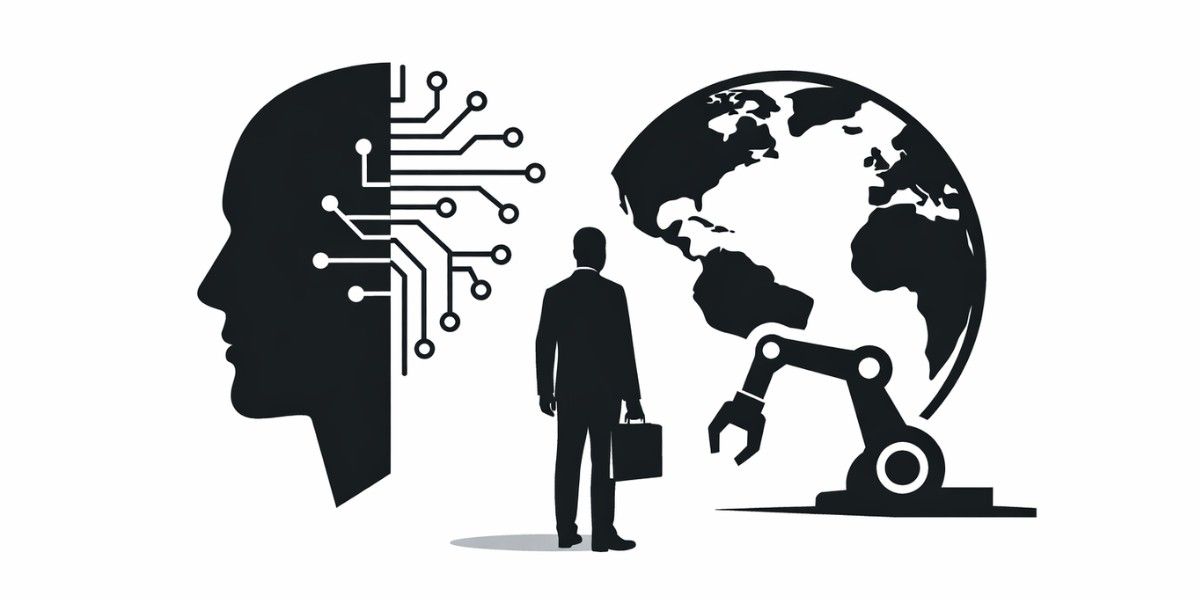
India is stepping into a transformative era of Artificial Intelligence (AI) in 2026. Under the leadership of Narendra Modi, the government has introduced the “MANAV Vision” — a human-centric AI framework designed to ensure that technology strengthens human potential rather than replacing it. As AI adoption accelerates across industries, concerns about job losses and automation are growing. However, India’s AI strategy focuses on inclusive growth, digital empowerment, and workforce transformation.
The central idea behind the MANAV Vision is simple yet powerful: AI must serve humanity, not substitute it. This approach positions India uniquely in the global AI race by prioritizing employment security, skill development, and ethical AI governance.
What Is the MANAV Vision and Why It Matters in 2026
The MANAV Vision represents a national roadmap for Artificial Intelligence that aligns technological advancement with social and economic stability. It complements broader national initiatives such as the IndiaAI Mission, which aims to build AI infrastructure, promote research, and nurture startups.
Unlike aggressive automation strategies adopted in some global markets, India’s human-centric AI plan emphasizes collaboration between humans and machines. The focus is on using AI to enhance productivity, improve decision-making, and create new job categories rather than eliminating existing roles. In 2026, this strategy is expected to significantly influence how companies hire, train, and deploy talent.
How AI Will Transform Jobs Across Key Sectors
AI in IT and Technology Jobs
The IT sector will witness one of the most visible transformations. AI-powered coding assistants, automated testing tools, cybersecurity monitoring systems, and data analytics platforms are becoming mainstream. However, instead of reducing workforce demand, this shift is creating new roles such as AI engineers, machine learning specialists, data scientists, and AI product managers.
India’s strong digital workforce gives it an advantage in adapting to AI integration. Professionals who upgrade their skills to work alongside AI systems will see increased career opportunities in 2026 and beyond.
AI in Healthcare and Digital Medicine
In healthcare, AI is being used for predictive diagnostics, medical imaging analysis, telemedicine, and patient data management. Doctors and healthcare professionals are increasingly relying on AI tools to improve accuracy and speed in diagnosis. This does not replace medical experts; rather, it enhances their efficiency.
The integration of AI in India’s healthcare ecosystem is expected to generate new jobs in health-tech startups, medical data analysis, AI-assisted diagnostics, and digital health platforms. The human-centric model ensures that final decisions remain in the hands of trained professionals.
AI in Agriculture and Rural Employment
India’s rural economy will also feel the impact of AI transformation. Smart farming tools, AI-based crop prediction systems, and climate forecasting models are helping farmers make better decisions. By integrating AI into agriculture, productivity can improve while empowering farmers with data-driven insights.
This approach aligns with policy frameworks shaped by institutions like NITI Aayog, which has long emphasized technology-driven growth with social inclusion. Rather than displacing rural jobs, AI aims to modernize and strengthen them.
AI in Education and Skill Development
Education will undergo a major transformation under the MANAV Vision. AI-driven personalized learning platforms, automated assessments, and virtual tutors are making education more adaptive and accessible. Teachers are using AI tools to analyze student performance and tailor lesson plans accordingly.
In 2026, the demand for AI trainers, digital educators, content developers, and EdTech specialists is expected to grow significantly. This signals a shift from traditional roles to tech-enabled educational careers.
Will AI Replace Your Job in 2026?
One of the most searched questions in India today is whether AI will take away jobs. The human-centric AI strategy introduced under Narendra Modi suggests that the goal is transformation, not elimination.
Certain repetitive and manual roles—such as data entry, routine customer service, and basic processing tasks—may decline. However, AI is simultaneously generating new career paths in automation management, AI supervision, ethical AI auditing, prompt engineering, and data analytics.
The key difference lies in adaptation. Workers who upskill and learn how to collaborate with AI tools will remain competitive in the evolving job market.
Why India’s Human-Centric AI Model Is Different
Globally, many economies are pursuing rapid automation to reduce operational costs. India’s model, however, balances technological advancement with employment protection. The emphasis on ethical AI, data privacy, transparency, and skill development ensures that growth remains inclusive.
This balanced strategy may help India emerge as a responsible AI leader in the global technology landscape while maintaining economic stability and social harmony.
What You Should Do to Stay Relevant in 2026
As AI adoption increases across industries, professionals must prepare for a technology-driven workplace. Learning the basics of Artificial Intelligence, understanding data literacy, and becoming comfortable with automation tools are essential steps. Soft skills such as creativity, leadership, emotional intelligence, and critical thinking will remain uniquely human advantages.
The future of work in India will favor hybrid professionals—those who combine domain expertise with AI proficiency.
Conclusion: AI as an Opportunity, Not a Threat
The MANAV Vision signals a strategic shift in how India approaches Artificial Intelligence. Rather than fearing automation, the focus is on empowerment, innovation, and economic expansion. If implemented effectively, this human-centric AI plan could create millions of new opportunities while reshaping existing industries.
For your job in 2026, the message is clear: AI is coming, but it is not replacing humanity. It is redefining how humans work. Those who adapt, learn, and collaborate with intelligent systems will thrive in India’s AI-powered future.
Also read: Australia vs Sri Lanka Recap: Is the World Champion’s T20 Streak Over?
Add News Pixel as preferred source on Google- Click here
Last Updated on: Thursday, February 19, 2026 2:36 pm by News Pixel Team | Published by: News Pixel Team on Thursday, February 19, 2026 2:35 pm | News Categories: Technology, Latest, Startup
About The Author

Comment here