
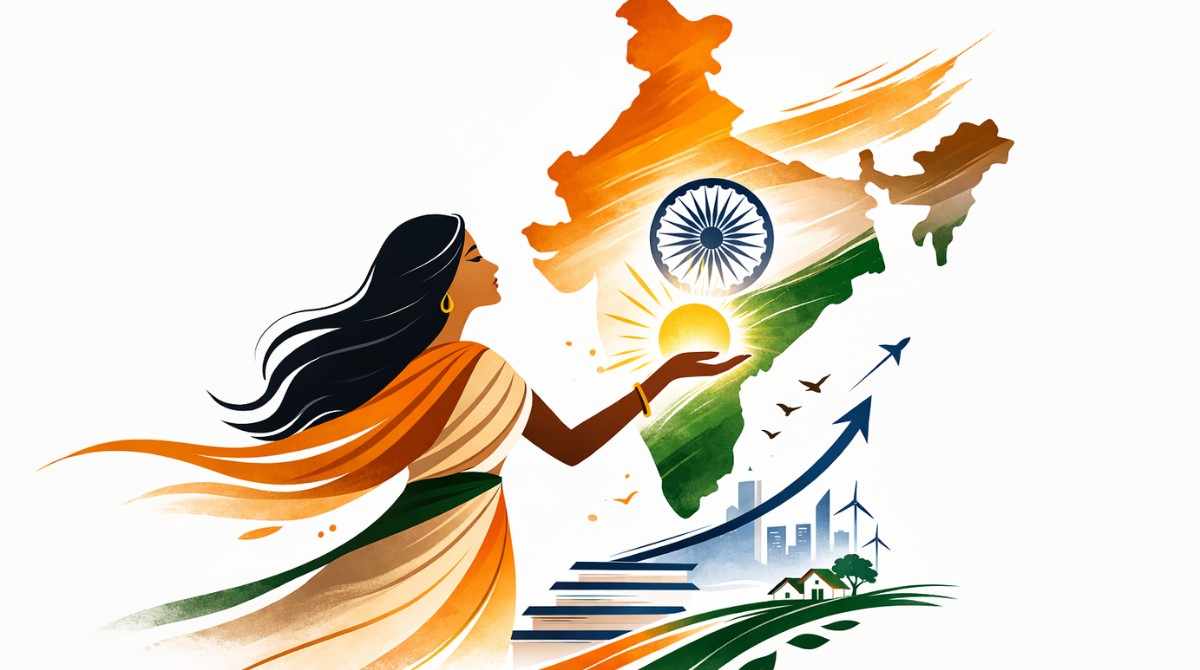
India’s ambition to become a developed nation by 2047, often described as Vikasit Bharat, is increasingly centered around the empowerment and leadership of women. Across sectors such as governance, entrepreneurship, education, and technology, women are stepping into influential roles that shape the country’s economic and social future. Their growing participation reflects a shift in development thinking—one that recognizes women not merely as beneficiaries of growth but as powerful contributors to national progress.
This transformation aligns with the idea of women-led development, where the advancement of women becomes a driving force behind broader societal progress. As India works toward building a strong, inclusive, and sustainable economy, the role of women continues to expand across every layer of society.
Women Entrepreneurs Driving Economic Growth
One of the most visible changes in India’s development landscape is the rise of women entrepreneurs. From small home-based enterprises to technology startups, women are building businesses that generate employment and stimulate local economies. With improved access to digital tools, financial services, and startup support systems, more women are entering the entrepreneurial ecosystem than ever before.
Government initiatives and financial inclusion programs have played a key role in this shift. Access to bank accounts, credit schemes, and digital payment platforms has allowed women to gain financial independence. These developments have encouraged women in both rural and urban areas to launch businesses in sectors such as handicrafts, agriculture, retail, and technology.
Economic empowerment of women also has broader social benefits. When women control financial resources, they tend to invest more in family welfare, children’s education, and healthcare, strengthening communities as a whole.
Women in the Workforce and Emerging Industries
The participation of women in India’s workforce is steadily expanding, reflecting the growing momentum of women empowerment in India and the vision of Vikasit Bharat. Women professionals are increasingly entering high-growth sectors such as information technology, biotechnology, aviation, and scientific research. Their presence is strengthening innovation, improving productivity, and contributing to the broader goal of women-led development that is central to India’s economic transformation.
Organizations across the country are also recognizing the value of gender diversity in leadership. Many companies are actively encouraging women workforce participation in India by promoting qualified women into management and leadership roles. Diverse leadership teams are known to improve decision-making, encourage creative thinking, and create more inclusive workplace cultures, which ultimately supports sustainable business growth.
However, challenges such as the gender wage gap and relatively lower female workforce participation rates in India continue to persist. Addressing these issues will be crucial for strengthening Nari Shakti and ensuring equal opportunities for women. Workplace reforms, targeted skill development programs, supportive policies, and flexible work environments can help remove barriers and enable women to play a larger role in India’s economic progress and the realization of Vikasit Bharat.
Education: The Foundation of Women’s Empowerment
Education remains one of the most powerful tools for empowering women in India. Over the past two decades, there has been a steady rise in the enrollment of girls in schools and universities. Women are now pursuing higher education in fields such as engineering, medicine, law, and management.
Higher education not only enhances career opportunities but also strengthens women’s confidence and leadership capabilities. Educated women are more likely to participate in decision-making within their families and communities, creating a positive cycle of social progress.
As India continues to invest in education infrastructure and digital learning platforms, the opportunities for young women to pursue knowledge and professional growth are expanding rapidly.
Women in Governance and Community Leadership
Women’s leadership in India is becoming increasingly visible in both political and grassroots governance, strengthening the vision of women-led development in the journey toward Vikasit Bharat. Through local governance systems such as Panchayati Raj institutions, thousands of women representatives are playing an active role in shaping policies and implementing community development programs. Their growing participation highlights the progress of women empowerment in India and the expanding role of women in decision-making at the grassroots level.
Women leaders often focus on issues that directly affect everyday life, including sanitation, healthcare, clean water supply, and education. By prioritizing these essential services, they contribute significantly to improving living standards in rural and semi-urban communities. Their leadership demonstrates how Nari Shakti can drive meaningful social change and address local challenges effectively.
At the national level, the increasing representation of women in politics reflects India’s broader commitment to gender equality and inclusive governance. As more women participate in policymaking and leadership roles, their contributions continue to strengthen democratic institutions and support the country’s long-term development goals under the vision of Vikasit Bharat.
Technology as a Catalyst for Empowerment
Technology is playing a transformative role in advancing women empowerment in India and supporting the broader vision of Vikasit Bharat. Digital platforms are enabling women entrepreneurs to reach wider markets, acquire new skills, and access valuable information that was once difficult to obtain. From e-commerce platforms to digital payment systems, technology is creating new pathways for women to participate in economic activities and contribute to women-led development.
Online education, remote work opportunities, and digital entrepreneurship have also helped many women overcome traditional barriers such as mobility restrictions and limited access to professional networks. These digital solutions are expanding women workforce participation in India, allowing women to build careers, start businesses, and improve their financial independence while balancing personal responsibilities.
With the rapid expansion of internet connectivity and digital infrastructure across India, technology continues to strengthen Nari Shakti by providing equal opportunities for women in both urban and rural regions. As digital adoption grows, technology will remain a key driver in empowering women and accelerating the nation’s progress toward the goal of Vikasit Bharat.
Challenges That Still Need Attention
Despite significant progress, several challenges still remain. Gender disparities in employment, safety concerns, and unequal access to leadership opportunities continue to affect women’s progress in certain sectors.
Addressing these challenges requires coordinated efforts from policymakers, businesses, and civil society. Initiatives focused on skill development, workplace equality, safety measures, and social awareness are crucial for ensuring that women can thrive without barriers.
Conclusion: The Power of Women in Building Vikasit Bharat
India’s journey toward becoming a developed nation is deeply connected to the empowerment of women. The concept of Vikasit Bharat represents more than economic prosperity—it reflects the creation of a balanced and inclusive society where every individual has the opportunity to contribute.
Women across India are proving that they are not just participants in the nation’s development story but key leaders shaping its future. By strengthening education, expanding economic opportunities, and promoting inclusive governance, India is rediscovering the immense potential of its feminine strength.
As the country moves closer to its 2047 vision, the growing influence of women will remain central to building a resilient, innovative, and truly developed India.
Also read: RBI Forex Data Banks: RBI Asks Banks to Submit Forex Trading Details Amid Market Volatility
Add News Pixel as a preferred source on Google – Click Here
Author- E. Lakshmi Tejasri
Last Updated on: Saturday, March 7, 2026 3:08 pm by E. Lakshmi Tejasri | Published by: E. Lakshmi Tejasri on Saturday, March 7, 2026 3:08 pm | News Categories: News, India, Opinion
About The Author

Comment here