
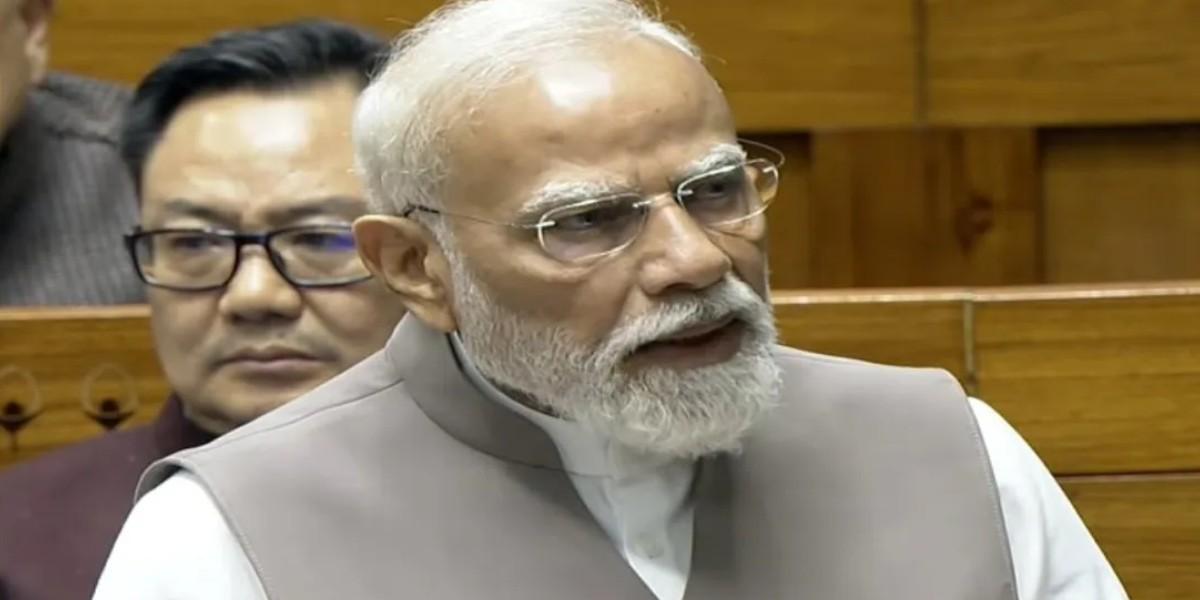
Amid rising geopolitical tensions in West Asia, Prime Minister Narendra Modi addressed the Lok Sabha to clarify India’s stance and preparedness regarding the ongoing Strait of Hormuz crisis India is closely monitoring. With global oil markets under pressure and fears of supply disruptions intensifying, the government has reassured citizens that necessary steps are being taken to maintain stability.
The Strait of Hormuz crisis India faces today is not just a geopolitical issue but also a major economic concern, given the country’s heavy dependence on imported crude oil and natural gas.
PM Modi’s Address in Lok Sabha
During his address, PM Modi described the current situation in West Asia as “worrisome” and emphasized the need for peace and diplomatic resolution. He highlighted that the Strait of Hormuz crisis India is dealing with could have far-reaching implications for global energy markets and economic stability.
The Prime Minister assured that the government is actively monitoring developments and has taken proactive measures to ensure that the Strait of Hormuz crisis India does not disrupt domestic fuel supply.
He also reiterated India’s neutral stance, calling for de-escalation and respect for international law.
Why the Strait of Hormuz Matters
The Strait of Hormuz crisis India is facing is particularly significant because this narrow waterway is one of the most critical oil transit routes in the world. Nearly 20% of global oil supply passes through this region, making it a key lifeline for energy-importing countries like India.
For India, which imports around 90% of its crude oil requirements, any disruption in this route can lead to price volatility and economic pressure.
This makes the Strait of Hormuz crisis India is navigating a matter of national importance.
India’s Preparedness and Strategy
PM Modi highlighted that India has taken several steps to tackle the Strait of Hormuz crisis India currently faces. One of the key strategies is diversification of energy imports.
India now sources crude oil from multiple countries, reducing its dependence on any single route. Around 70% of imports are routed through alternative pathways, helping cushion the impact of disruptions in the Strait of Hormuz.
Additionally, the government has maintained sufficient fuel reserves and increased monitoring through dedicated control systems to ensure uninterrupted supply.
These measures demonstrate how the government is managing the Strait of Hormuz crisis India is experiencing with a long-term strategic approach.
Focus on Domestic Fuel Stability
A major concern during the Strait of Hormuz crisis India faces is the availability of petrol, diesel, and LPG for domestic consumption. However, authorities have clarified that there is no immediate shortage of fuel in the country.
Refineries are operating at high capacity, and additional cargo shipments are being secured to maintain supply levels.
The government has also ensured that essential services, including household LPG supply, remain unaffected.
PM Modi stressed that protecting the daily needs of citizens remains a priority amid the Strait of Hormuz crisis India is dealing with.
Impact on Global and Indian Economy
The Strait of Hormuz crisis India is facing has already influenced global oil prices, which have surged due to uncertainty and supply risks. This could lead to higher fuel prices domestically and increased inflation.
Experts suggest that while supply may remain stable, pricing is a bigger concern for India during the Strait of Hormuz crisis India is navigating.
A rise in crude oil prices directly impacts transportation costs, manufacturing, and overall economic growth.
Diplomatic and Strategic Efforts
India is also engaging in diplomatic efforts to address the Strait of Hormuz crisis India is concerned about. PM Modi emphasized the importance of dialogue and peaceful resolution to prevent further escalation.
The government is coordinating with global partners and monitoring international developments closely. Ensuring safe maritime navigation remains a key priority.
These diplomatic initiatives are crucial in managing the broader implications of the Strait of Hormuz crisis India is currently witnessing.
What Lies Ahead
The situation in West Asia remains fluid, and the Strait of Hormuz crisis India is monitoring could evolve further. While the government has taken strong measures to safeguard energy supplies, continued vigilance is necessary.
Future developments will depend on geopolitical outcomes and the stability of the region.
For now, India appears well-prepared to handle the challenges posed by the Strait of Hormuz crisis India is facing.
Conclusion
PM Modi’s address in the Lok Sabha has provided clarity and reassurance regarding India’s response to the ongoing crisis. The Strait of Hormuz crisis India is dealing with is a complex issue, but proactive planning and diversification strategies have helped mitigate immediate risks.
While global uncertainties remain, India’s focus on energy security, diplomatic engagement, and domestic stability ensures that the Strait of Hormuz crisis India faces will be managed effectively.
Also read: Who Is Bill Ready? Pinterest CEO Calls for Social Media Ban for Teens Under 16
Add News Pixel as a preferred source on Google – Click Here
Last Updated on: Monday, March 23, 2026 3:35 pm by E. Lakshmi Tejasri | Published by: E. Lakshmi Tejasri on Monday, March 23, 2026 3:34 pm | News Categories: India
About The Author

Comment here