
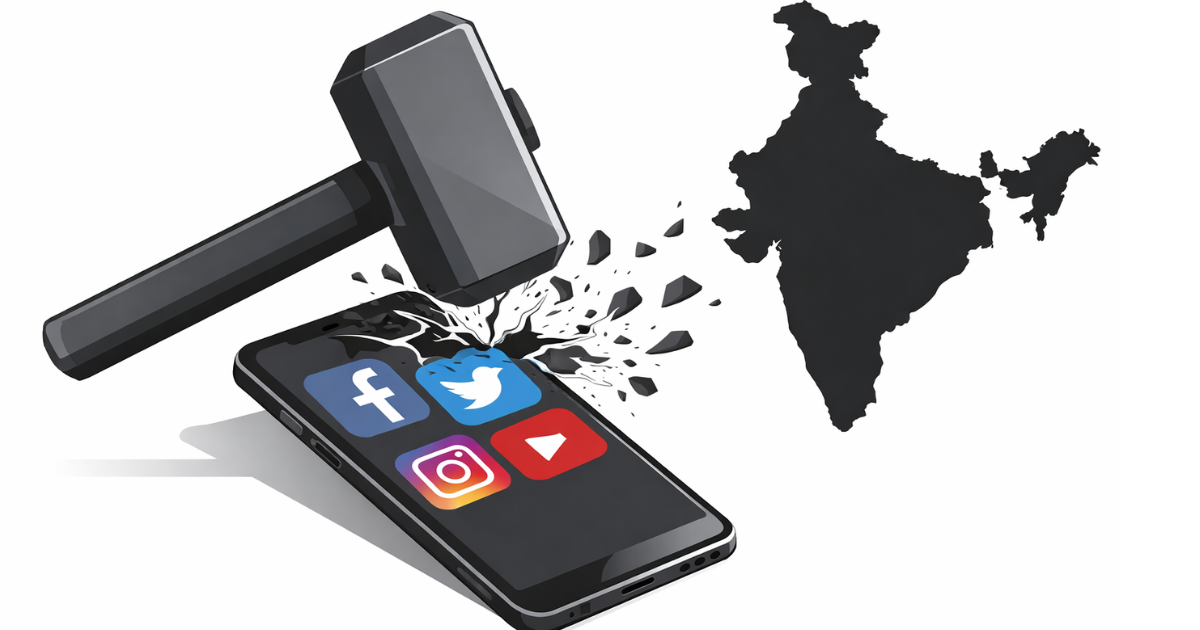
In a major digital governance push, the Government of India has introduced new 3-hour social media takedown rules aimed at cracking down on deepfakes, misinformation, and online disinformation. The move signals a tougher regulatory stance on digital platforms, especially amid rising concerns over AI-generated content, election interference, and viral fake news.
The updated framework strengthens provisions under the Information Technology Act 2000 and aligns with the broader goals of the Digital Personal Data Protection Act 2023 to ensure safer online spaces.
What Are the New 3-Hour Takedown Rules?
Under the proposed guidelines, social media platforms and intermediaries may be required to remove flagged content — especially deepfake videos, morphed images, or disinformation campaigns — within three hours of receiving a valid government or legal notice.
Previously, platforms had a longer compliance window under the Information Technology (Intermediary Guidelines and Digital Media Ethics Code) Rules 2021, commonly referred to as the IT Rules 2021.
The updated directive focuses on:
- Rapid removal of deepfake content
- Preventing viral spread of misinformation
- Strengthening accountability of intermediaries
- Protecting citizens from AI-driven digital manipulation
Why Is India Introducing Stricter Social Media Regulations?
1. Rise of Deepfake Technology
Artificial Intelligence tools now allow realistic manipulation of video and audio content. Deepfakes can impersonate political leaders, celebrities, or private individuals, posing serious threats to democracy and public trust.
India has seen multiple incidents involving AI-generated videos targeting public figures, raising alarm within the government and security agencies.
2. Election Security and Public Order
With elections and major political events often targeted by coordinated disinformation campaigns, faster takedown mechanisms are considered essential to prevent unrest or misinformation-driven panic.
3. National Security Concerns
Disinformation campaigns linked to cross-border influence operations have heightened concerns about digital warfare and psychological operations.
How the 3-Hour Rule Impacts Social Media Platforms
Major platforms such as Meta, X, Google, and YouTube may now face stricter compliance timelines.
Key Implications:
- Faster Response Teams: Platforms must enhance content moderation infrastructure.
- Stronger AI Detection Tools: Automated deepfake detection will become essential.
- Higher Legal Accountability: Non-compliance could lead to penalties or loss of safe harbour protections.
- Operational Costs: Increased monitoring and compliance mechanisms may raise operational expenses.
The safe harbour provision under Indian law protects intermediaries from liability for user-generated content — but only if they comply with government directives.
What This Means for Users
For ordinary users, the new rules aim to:
- Reduce exposure to fake news and manipulated media
- Protect personal identity from misuse
- Increase trust in digital platforms
However, critics argue that rapid takedown mandates must balance free speech rights with regulation to avoid potential misuse or overreach.
Deepfakes and Disinformation: A Growing Global Threat
India is not alone in tightening digital regulations. Several countries are drafting AI governance laws to combat misinformation.
Deepfakes can:
- Manipulate stock markets
- Influence elections
- Damage reputations
- Trigger communal tensions
The rapid spread of viral content on platforms amplifies the risk, making early detection and removal critical.
Challenges in Implementation
While the 3-hour rule appears strict, practical challenges remain:
Legal Verification
Ensuring that takedown requests are legitimate and not politically motivated will require transparent oversight.
AI Detection Limitations
Deepfake detection technology is still evolving. Sophisticated AI-generated content can sometimes bypass automated systems.
Cross-Border Jurisdiction
Many social media platforms operate globally, complicating enforcement across jurisdictions.
Economic and Tech Industry Impact
The new takedown rules may accelerate investment in:
- AI moderation tools
- Content authenticity verification
- Blockchain-based digital watermarking
- Cybersecurity infrastructure
India’s push could also influence global AI regulation debates and position the country as a proactive digital governance leader.
Conclusion
The new 3-hour social media takedown rules mark a decisive and aggressive move by India against deepfakes and online disinformation. By tightening compliance timelines and increasing platform accountability, the government aims to safeguard digital trust, national security, and democratic integrity.
As AI technology evolves rapidly, regulatory frameworks must adapt just as quickly. Whether this move strikes the right balance between freedom of expression and digital safety will depend on transparent implementation and fair enforcement.
One thing is clear: India’s digital regulation landscape is entering a new era of stricter oversight and faster response.
Also read: Silver Prices Crash 5% in a Single Day: Why Gold and Silver Markets Are Seeing Massive Volatility
Add News Pixel as preferred source on Google- Click here
Last Updated on: Saturday, February 14, 2026 3:32 pm by News Pixel Team | Published by: News Pixel Team on Saturday, February 14, 2026 3:32 pm | News Categories: India, Technology
About The Author

Comment here