
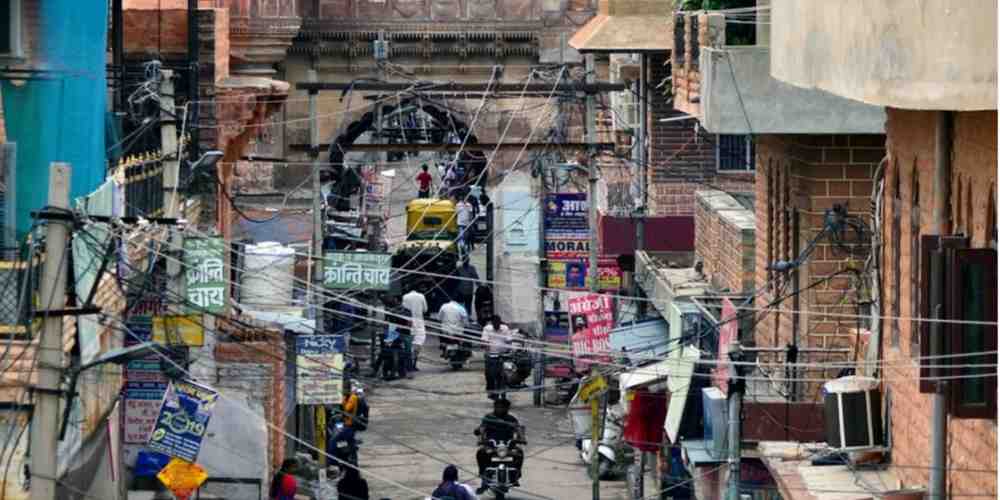
The ongoing Iran War 2026 is beginning to affect everyday household expenses, including grocery bills. Economists warn that the conflict could lead to higher food prices worldwide due to rising oil costs, disrupted supply chains, and increased transportation expenses. The issue of Iran war grocery prices has become a growing concern as energy markets react to geopolitical tensions in the Middle East.
While many consumers associate wars with energy markets and fuel prices, the effects often extend much further. From farming operations to food transportation and packaging, energy plays a critical role in the global food system. As oil prices rise, grocery costs tend to follow.
Why the Iran War Is Affecting Food Prices
One of the biggest reasons behind rising Iran war grocery prices is the impact of the conflict on global oil markets. Reports indicate that disruptions in the Middle East have reduced oil supply and pushed crude prices close to $100 per barrel, creating a shock across global energy markets.
When oil becomes more expensive, the cost of transporting food also increases. Most food products are shipped by trucks, cargo ships, or airplanes that rely heavily on diesel and fuel. As economists often explain, food reaches supermarkets through energy-intensive logistics systems, meaning higher fuel costs quickly translate into higher grocery prices.
In simple terms, when oil prices rise, nearly every stage of the food supply chain becomes more expensive.
The Hidden Energy Costs Behind Your Groceries
The connection between the Iran war grocery prices and food costs is not just about transportation. Energy is embedded throughout the food production process.
Farmers rely on fuel to operate tractors and agricultural machinery. Fertilizers and crop chemicals are often produced using natural gas and petrochemicals. Food processing plants require electricity and fuel to manufacture packaged products. Even the plastic packaging used for many groceries is derived from petroleum-based materials.
Because of these factors, rising energy prices increase costs across multiple stages of the food system, from farms to supermarket shelves.
Transportation and Supply Chain Disruptions
Another reason the Iran war grocery prices issue is gaining attention is the potential disruption of global shipping routes. The Middle East plays a critical role in international energy transportation, particularly through the Strait of Hormuz, which handles a significant portion of the world’s oil trade.
When conflicts threaten this region, shipping costs and insurance premiums often increase dramatically. Higher freight costs are eventually passed along to retailers and consumers.
For countries that rely heavily on imported food, even small disruptions can significantly increase supermarket prices.
Which Grocery Items Could Become More Expensive
Not all grocery products are affected equally by geopolitical conflicts. According to analysts, certain types of food are more sensitive to energy price increases.
Fresh products such as fruits, vegetables, meat, and dairy are usually transported quickly using refrigerated trucks or air freight. Because these supply chains rely heavily on fuel, they may experience price increases faster than packaged foods.
Processed foods may also become more expensive over time as manufacturers face higher costs for packaging materials, transportation, and energy consumption.
As a result, the Iran war grocery prices effect could gradually spread across many supermarket categories.
Inflation and Household Budgets
Economists warn that rising oil prices linked to the conflict could also contribute to broader inflation. Some estimates suggest that higher fuel prices could push overall inflation rates upward in the coming months if energy markets remain unstable.
When inflation increases, grocery prices are often among the first costs that households notice. Food is an essential expense, and even small price changes can significantly impact monthly budgets.
For families already dealing with rising living costs, the impact of Iran war grocery prices may become more noticeable in the coming weeks.
How Much Could Your Grocery Bill Increase?
While it is difficult to calculate the exact impact, analysts suggest that energy-related cost increases can gradually add several percentage points to food prices if oil prices remain elevated for an extended period.
For example, a household that typically spends $500 per month on groceries could potentially see noticeable increases if transportation, packaging, and farming costs rise across the supply chain.
However, the final impact of the Iran war grocery prices trend will depend on several factors, including the duration of the conflict and how global energy markets respond.
What Happens Next
The long-term impact of the Iran war grocery prices trend depends largely on how quickly geopolitical tensions ease and energy markets stabilize.
If oil prices return to normal levels, the pressure on food supply chains may gradually decrease. However, prolonged disruptions in energy markets could continue pushing costs higher for transportation, fertilizers, and food manufacturing.
As global economies remain interconnected, conflicts in key energy-producing regions often have ripple effects that reach consumers worldwide.
Conclusion
The rising concern over Iran war grocery prices highlights how global conflicts can affect everyday expenses far beyond the battlefield. From oil markets to transportation networks and farming inputs, energy costs influence nearly every stage of the food supply chain.
While the full impact is still unfolding, economists believe the conflict could lead to higher grocery bills for households if energy prices remain elevated. For many consumers, the connection between geopolitics and supermarket prices is becoming increasingly clear.
Also read: Banco Products Second Interim Dividend of Rs 8.40 Announced, March 19 Set as Record Date
Add News Pixel as a preferred source on Google – Click Here
Last Updated on: Friday, March 13, 2026 3:03 pm by E. Lakshmi Tejasri | Published by: E. Lakshmi Tejasri on Friday, March 13, 2026 3:03 pm | News Categories: Opinion
About The Author

Comment here