
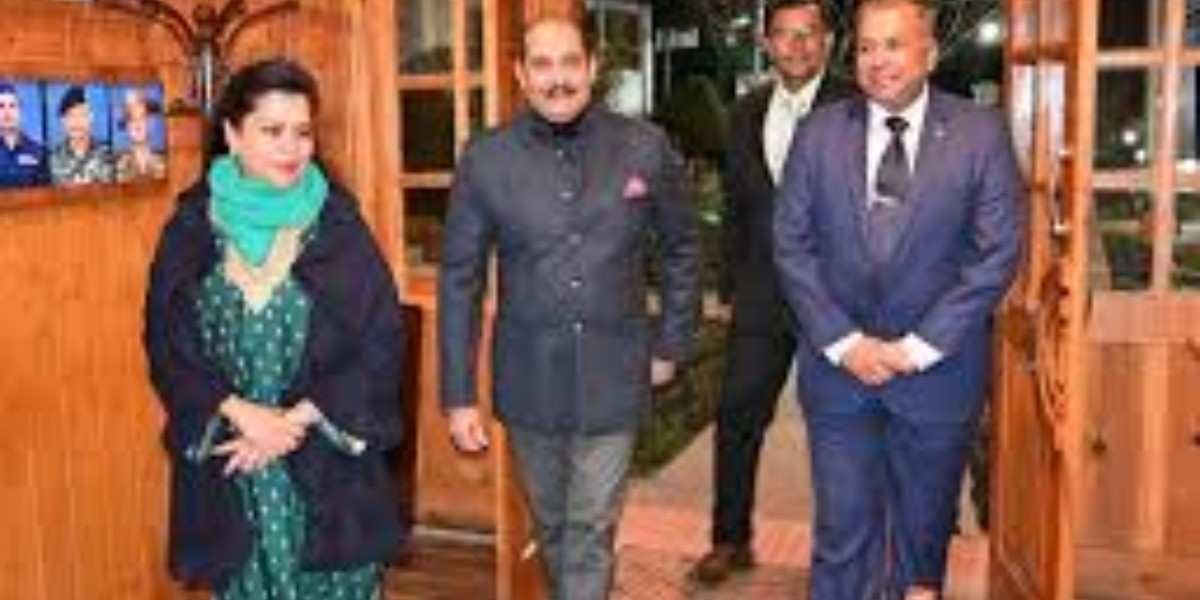
Indian Army role in border development has been highlighted by political leader Vikramaditya Singh, who said the armed forces are playing a crucial part in transforming the lives of people living in remote and sensitive regions. His remarks come amid ongoing efforts to improve infrastructure and living conditions in border areas.
Singh noted that the Army’s contribution extends beyond defence, with visible impact on social and economic development in these regions.
Key Announcements / Highlights
- Vikramaditya Singh praised the Indian Army role in border development.
- Army initiatives are improving infrastructure and livelihoods.
- Focus on remote and strategically sensitive regions.
- Efforts include community support and development projects.
Official Statement
Speaking on the issue, Vikramaditya Singh said the Indian Army has become a key force in driving change in border areas, particularly in regions that have historically faced neglect due to geographic and security challenges.
He emphasised that the Indian Army role in border development includes building roads, supporting education, and providing medical assistance to local populations. According to him, these initiatives have significantly improved the quality of life for residents.
Singh also acknowledged the Army’s efforts in maintaining a balance between national security responsibilities and community engagement, stating that such work strengthens trust between civilians and security forces.
Context / Background
Border areas in India, especially in regions like Jammu and Kashmir, Ladakh, and parts of the Northeast, often face infrastructural and developmental challenges due to difficult terrain and security concerns.
The Indian Army role in border development has evolved over the years, with the force increasingly participating in civic action programmes. These initiatives aim to address basic needs such as healthcare, education, and connectivity in remote villages.
Under various outreach programmes, the Army conducts medical camps, builds schools, and assists in disaster relief operations. These efforts are often carried out in coordination with local administrations and central government schemes.
Such initiatives are also seen as part of broader confidence-building measures, particularly in areas affected by conflict or cross-border tensions.
Public Impact
The Indian Army role in border development has had a direct impact on communities living in remote regions. Improved road connectivity helps residents access markets, schools, and healthcare facilities more easily.
Educational support initiatives, including the establishment of schools and skill development programmes, provide opportunities for youth in these areas. Medical camps organised by the Army offer essential healthcare services where civilian infrastructure may be limited.
For local populations, these efforts contribute to a sense of security and inclusion, as the Army becomes not just a protector but also a partner in development.
At the same time, such initiatives can help strengthen national integration by bridging gaps between remote regions and the rest of the country.
Conclusion
The remarks by Vikramaditya Singh bring attention to the expanding Indian Army role in border development, highlighting how the force contributes beyond its primary security mandate.
As development efforts continue in border regions, the Army’s involvement is likely to remain significant, particularly in areas where logistical challenges persist. The combined focus on security and welfare reflects an integrated approach to strengthening both infrastructure and community resilience in India’s border areas.(With Inputs from H.S)
Inputs & Images courtesy: Hindusthan Samachar (H.S)
Also read: Abhishek Sharma IPL Fine: SRH Batter Penalised for On-Field Dissent During Match
Add News Pixel as a preferred source on Google – Click Here
Edited By- E. Lakshmi Tejasri
Last Updated on: Friday, April 3, 2026 4:38 pm by E. Lakshmi Tejasri | Published by: E. Lakshmi Tejasri on Friday, April 3, 2026 4:38 pm | News Categories: India, Latest
About The Author

Comment here