
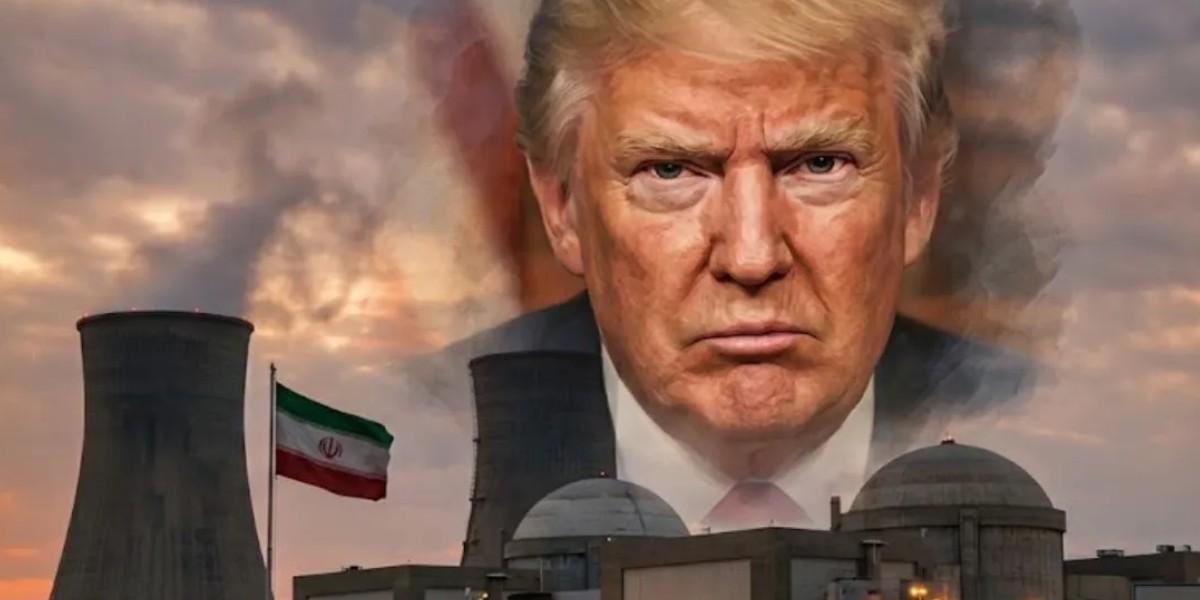
The escalating conflict involving the United States and Iran has raised serious concerns about a potential Gulf water shortage crisis. Reports suggest that if former US President Donald Trump orders strikes on Iran’s power plants, it could trigger retaliatory attacks on critical infrastructure across Gulf nations like Saudi Arabia, the UAE, and Qatar.
What makes this situation particularly alarming is that the Gulf water shortage crisis may not be about oil—but water. Experts warn that millions of people in the region could face severe drinking water shortages if key facilities are targeted.
Why Gulf Nations Are Worried
The fear surrounding the Gulf water shortage crisis stems from the region’s heavy dependence on desalination plants. These facilities convert seawater into drinking water and are essential for daily life in arid countries with minimal freshwater resources.
Any disruption to these plants—either directly or indirectly—could rapidly escalate into a Gulf water shortage crisis, affecting households, industries, and essential services.
According to reports, Gulf countries have already warned that attacks on Iran’s infrastructure could provoke retaliation targeting water and energy systems in their region.
Link Between Power Plants and Water Supply
A key factor behind the Gulf water shortage crisis is the close connection between electricity and water production. Most desalination plants in the Gulf rely on power stations to operate.
If Iran’s power plants are attacked, retaliation could target similar infrastructure in Gulf countries. Even if desalination plants are not directly hit, power outages alone could disrupt water production, worsening the Gulf water shortage crisis.
Experts note that many desalination facilities are co-located with power plants, making them highly vulnerable during military escalation.
Heavy Dependence on Desalination
The scale of dependence explains why the Gulf water shortage crisis is such a serious threat. In several Gulf countries, desalination provides the majority of drinking water:
- Around 90% in Kuwait
- Nearly 86% in Oman
- About 70% in Saudi Arabia
This means that any disruption could quickly lead to a Gulf water shortage crisis, leaving millions without access to safe drinking water.
Real Threat of Retaliation
Recent developments indicate that the threat is not hypothetical. Iran has already warned that it could target infrastructure in response to attacks on its own facilities.
Reports suggest that desalination plants and energy systems could become targets if tensions escalate further.
Additionally, strikes on electricity infrastructure have already raised fears of water shortages in countries like the UAE, Qatar, and Bahrain.
This chain reaction is exactly what could trigger a full-scale Gulf water shortage crisis.
Immediate Impact on Daily Life
If the Gulf water shortage crisis becomes reality, the consequences could be severe and immediate. Drinking water supplies could run out within days in some areas, especially in cities that rely heavily on a few large desalination plants.
Experts warn that such disruptions could lead to:
- Water rationing
- Panic buying and hoarding
- Disruptions in hospitals and industries
- Temporary shutdown of economic activities
Desalination plants are not easy to repair quickly, making the Gulf water shortage crisis even more dangerous.
Economic and Global Implications
The Gulf water shortage crisis would not only affect local populations but also have global consequences. Gulf nations are key players in energy markets, and any disruption to their infrastructure can impact global oil and gas supplies.
Water shortages could also slow down industrial production, affecting exports and economic stability in the region.
Furthermore, the crisis could lead to geopolitical instability, as governments struggle to manage both security threats and humanitarian challenges.
Preparedness and Limitations
Some Gulf countries have taken steps to prepare for emergencies, including maintaining water reserves. However, these reserves are limited and can only support populations for a short period.
While contingency plans exist, they may not be sufficient to handle a prolonged Gulf water shortage crisis caused by sustained attacks or power disruptions.
Experts emphasize that prevention remains the best strategy, as recovery from such a crisis would be complex and time-consuming.
What Lies Ahead
The future of the Gulf water shortage crisis largely depends on how the geopolitical situation evolves. If tensions de-escalate, the risk may subside. However, any military action targeting infrastructure could quickly trigger a chain reaction.
Global leaders and regional powers are closely monitoring the situation, as the stakes extend far beyond the Middle East.
Conclusion
The growing fears of a Gulf water shortage crisis highlight a critical but often overlooked vulnerability in the region. While oil has long been the focus of geopolitical tensions, water security is now emerging as an equally serious concern.
If attacks on power plants escalate into broader infrastructure strikes, Gulf nations could face an unprecedented crisis affecting millions of people. The situation underscores the urgent need for diplomatic solutions and stronger safeguards to protect essential resources.
Also read: Food Price Surge Warning: Rains and Iran War Threaten India’s Agriculture Output
Add News Pixel as a preferred source on Google – Click Here
Last Updated on: Monday, March 23, 2026 4:06 pm by E. Lakshmi Tejasri | Published by: E. Lakshmi Tejasri on Monday, March 23, 2026 4:06 pm | News Categories: Latest
About The Author

Comment here