
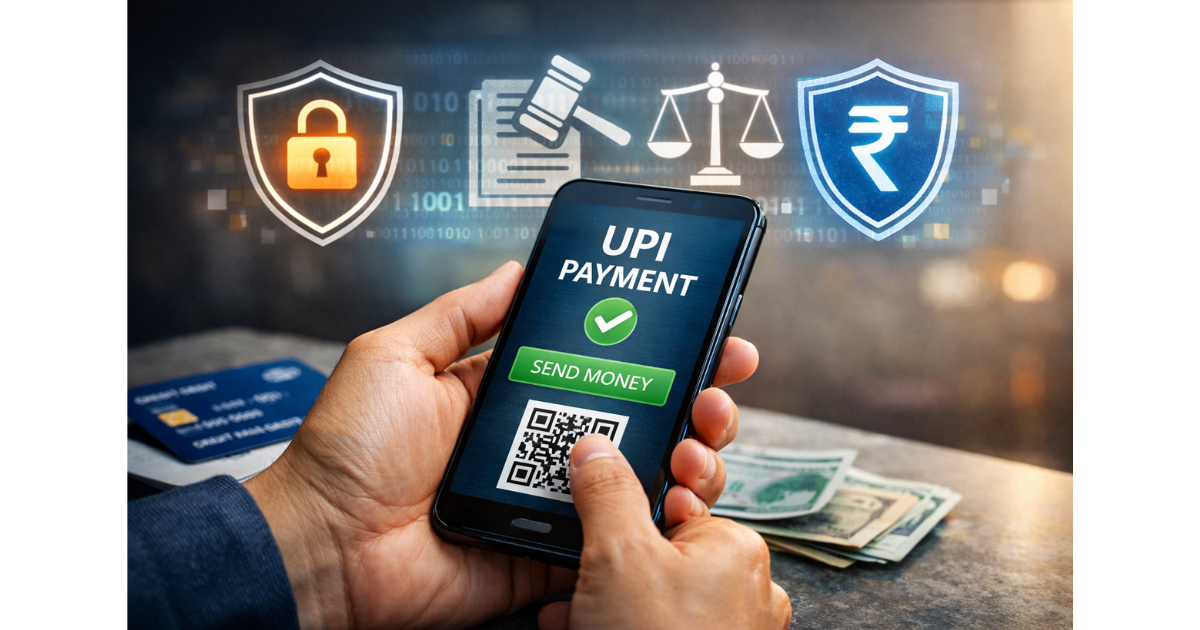
India’s digital payments ecosystem has entered a mature yet fast-evolving phase. With UPI transactions crossing record highs every month and digital wallets, cards, and app-based payments becoming part of daily life, the dependence on cashless systems is now irreversible. From paying roadside vendors to settling large utility bills, consumers are trusting digital platforms with their money, data, and time. This rapid adoption has also pushed regulators to update rules that define the rights and protections available to users, ensuring that convenience does not come at the cost of safety or accountability.
The updated digital payments and UPI framework, guided largely by the Reserve Bank of India and implemented through banks, payment service providers, and app operators, places the consumer at the center of the ecosystem. These rules are designed to protect users against failed transactions, fraud, unauthorized debits, data misuse, and unfair practices, while also clearly defining responsibilities of service providers.
Right to Transparency in Digital Transactions
One of the most significant consumer rights under the updated rules is the right to complete transparency. Every digital payment, whether through UPI, debit card, credit card, or wallet, must provide clear information about the transaction. Consumers are entitled to know the amount debited, the recipient, transaction reference number, date, and status in real time. Hidden charges or unexplained deductions are not permitted, and service providers must clearly disclose any applicable fees before a transaction is completed.
This transparency also extends to terms and conditions. Banks and UPI apps are required to communicate changes in usage policies, transaction limits, or service availability in advance. If an app modifies its fee structure or introduces new restrictions, users have the right to be informed in a clear and understandable manner.
Protection Against Failed and Pending Transactions
Failed and stuck transactions have long been a major pain point for UPI users. Updated rules strengthen consumer rights by mandating strict timelines for auto-reversals. If a UPI transaction fails but the amount is debited, the money must be credited back to the consumer’s account within a defined period, usually within one working day for most cases.
If the reversal does not happen automatically, consumers have the right to raise a complaint through their bank or UPI app, and the service provider is obligated to resolve it within the stipulated grievance redressal timeline. Compensation provisions also apply in certain cases where delays are caused due to negligence on the part of banks or payment operators.
Right to Protection From Unauthorized Transactions
With rising digital adoption, fraud and unauthorized transactions have become a serious concern. Updated digital payment rules reinforce the consumer’s right to protection against such incidents. If a user reports an unauthorized transaction promptly, their liability is limited or, in many cases, completely waived.
Consumers are not held responsible for losses arising from system failures, third-party breaches, or bank-side security lapses. Even in cases where negligence is suspected, liability is capped provided the consumer reports the issue within the prescribed time frame. Banks and payment apps are required to have robust fraud monitoring systems and immediate response mechanisms to block further losses once a complaint is registered.
Data Privacy and Consent as a Legal Right
Digital payments involve the sharing of sensitive personal and financial data. Updated rules clearly recognize data privacy as a consumer right. Payment service providers can collect only the data that is strictly necessary for processing transactions and improving service quality. Explicit user consent is required for sharing data with third parties, including merchants and analytics partners.
Consumers also have the right to know how their data is being used and stored. If a user chooses to deactivate an account or stop using a particular app, the provider must follow prescribed data retention and deletion norms. Any misuse of data or unauthorized sharing can be challenged through regulatory and legal channels.
Right to Fair Treatment and Non-Discrimination
Another important aspect of the updated framework is the consumer’s right to fair and non-discriminatory access. Banks and UPI apps cannot arbitrarily deny services to users without valid reasons. Account freezes, transaction blocks, or app access restrictions must be supported by clear explanations and communicated properly to the consumer.
Merchants, too, are not allowed to force consumers into a particular digital payment method or impose illegal surcharges on UPI or card payments where prohibited. Consumers have the right to choose their preferred digital payment option without being penalized.

Grievance Redressal and the Right to Escalation
A strong grievance redressal mechanism is central to consumer protection under the updated rules. Every bank and payment app must provide an easily accessible complaint system within the app or website. Complaints related to failed transactions, fraud, service outages, or unfair practices must be acknowledged promptly and resolved within a defined timeframe.
If the consumer is not satisfied with the response, they have the right to escalate the matter to higher authorities within the bank or payment institution. Beyond that, users can approach the RBI’s Integrated Ombudsman Scheme, which provides an independent platform to resolve disputes without complex legal procedures.
Consumer Awareness and Shared Responsibility
While updated rules significantly strengthen consumer rights, they also emphasize shared responsibility. Users are expected to follow basic safety practices such as safeguarding PINs, not sharing OTPs, and using official apps. However, the burden of system security, transaction integrity, and timely resolution firmly rests on banks and payment service providers.
The regulatory intent is clear: consumers should feel confident using digital payments without fear of losing money or being trapped in endless complaint cycles. Trust is the foundation of India’s digital economy, and consumer rights are the pillars that uphold it.
What These Rules Mean for the Future of Digital Payments
The updated digital payments and UPI rules mark a shift from rapid adoption to responsible expansion. As India moves toward a less-cash economy, consumer protection is no longer optional but essential. These rights empower users, improve accountability among service providers, and create a more resilient digital payments ecosystem.
For consumers, understanding these rights is as important as knowing how to scan a QR code or send money instantly. Awareness ensures that when something goes wrong, users know where they stand legally and how to seek redress. In a country where digital payments are becoming a daily necessity, informed consumers are the strongest safeguard against misuse and misconduct.
Add newspixel.in as a preferred source on google – click here
Last Updated on: Monday, February 2, 2026 5:07 pm by News Pixel Team | Published by: News Pixel Team on Monday, February 2, 2026 5:07 pm | News Categories: News
About The Author

Comment here