
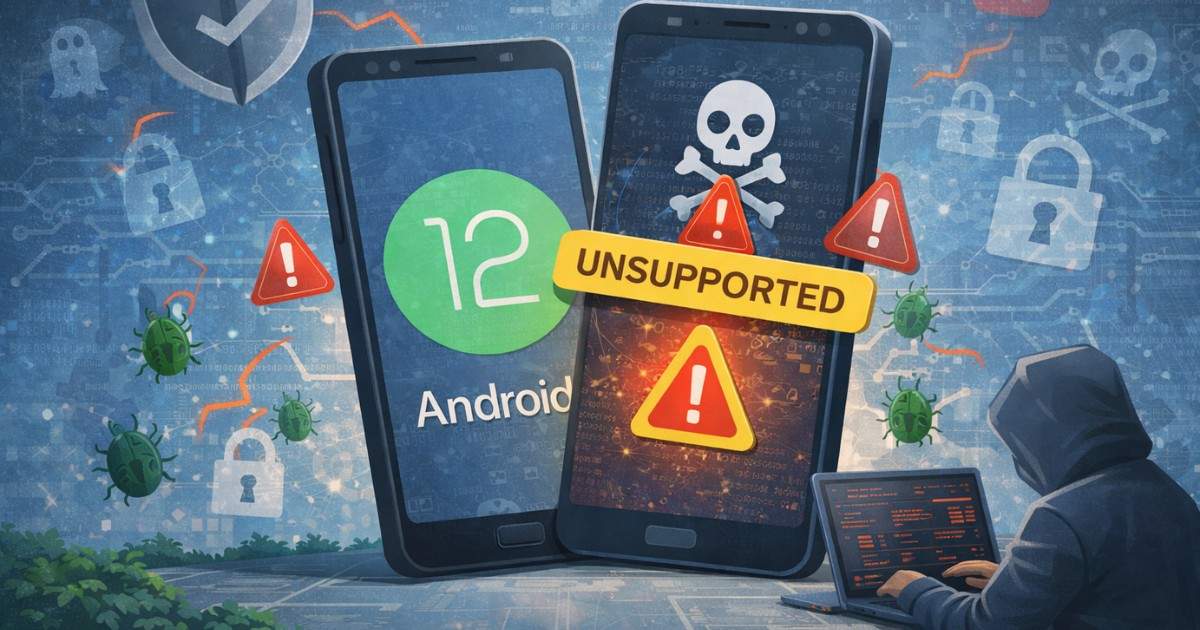
Android 12 security warning has triggered a surge in search interest after cybersecurity agencies and technology experts issued fresh advisories for users running Android 12 and older versions. These devices are now classified as “highly vulnerable” following the end of regular security patch support.
Security specialists warned that unsupported Android versions no longer receive fixes for newly discovered flaws. As cyber threats grow more sophisticated, the absence of timely patches increases exposure to malware, spyware, phishing attempts, and unauthorised data access.
Experts stress that security risks are not always visible to users. Devices may function normally while remaining exposed in the background. This gap often leads to delayed action until a breach occurs.
Android 12 Security Warning: What Users of Older Devices Need to Know
The Android 12 security warning highlights that smartphones running Android 12 and older versions no longer receive regular security updates. Users are advised to check device compatibility for upgrades, avoid unverified apps, and enable built-in security features. Remaining on unsupported versions increases vulnerability to malware, phishing attacks, and unauthorized access to personal and financial data.
Why This Cybersecurity Alert Is Trending
The warning is drawing widespread attention as millions of smartphones, especially in price-sensitive markets like India, continue to operate on older Android versions. Many users are unaware that their devices have crossed official security support timelines.
Recent advisories and discussions across tech platforms have highlighted how attackers actively target outdated operating systems. This has driven a spike in searches related to mobile safety and upgrade options.
Cybersecurity researchers say outdated systems are easier to exploit. Public awareness campaigns and social media discussions have further amplified concern among everyday smartphone users.
What ‘End of Security Support’ Means
When an Android version reaches the end of its security lifecycle, Google no longer issues patches for newly discovered vulnerabilities. While phones may continue to operate, known security gaps remain unaddressed.
Experts explained that attackers often exploit these flaws after public disclosure. Without patches, system-level weaknesses cannot be closed by user actions alone.
Security analysts note that risks increase gradually over time. Each new vulnerability adds to the exposure of unsupported devices, even if users follow safe browsing practices.
Who Is Most at Risk
Users relying on older smartphones for banking, digital payments, email access, or cloud services face the highest risk. Devices that cannot upgrade due to hardware limitations remain locked to unsupported software.
Experts also warn against installing apps from unofficial sources or delaying updates, as attackers may combine multiple weaknesses to gain access.
Even low-usage devices can be targeted. Compromised phones may be misused for identity theft, data harvesting, or spreading malicious links to contacts.
Recommended Safety Measures for Users
Experts advise upgrading to a supported Android version wherever possible. For devices that cannot be updated, risk reduction becomes critical. Users should remove unused apps, limit permissions, and enable built-in security features.
Avoiding public Wi-Fi, using strong locks, enabling two-factor authentication, and limiting sensitive data storage are also recommended steps.
Security tools can reduce exposure but do not replace system updates. Experts say long-term protection may require switching to devices with guaranteed update support
Broader Implications for Mobile Security
The alert underscores long-standing concerns around uneven update timelines across Android manufacturers. Analysts say this affects users who retain devices for several years.
Security experts continue to call for longer software support commitments and stronger user awareness as smartphones play a central role in digital transactions.
As mobile devices function as wallets and identity tools, timely security updates are increasingly viewed as essential infrastructure rather than optional features.
Also read: New 3-Hour Social Media Takedown Rules: India’s Aggressive Move Against Deepfakes and Disinformation
Add News Pixel as a preferred source on Google – Click Here
Last Updated on: Saturday, February 14, 2026 5:03 pm by News Pixel Team | Published by: News Pixel Team on Saturday, February 14, 2026 5:03 pm | News Categories: Technology

Leave a Reply